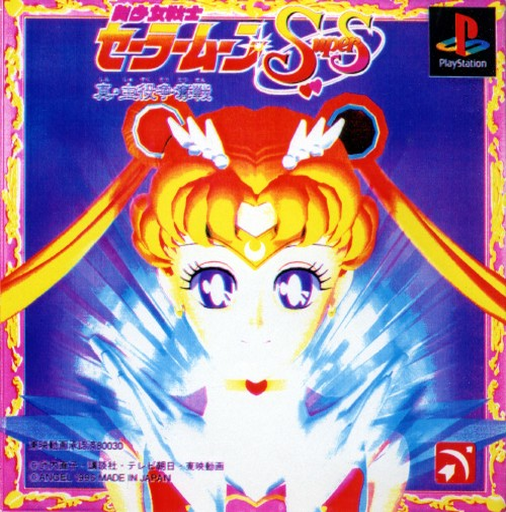
Bishoujo Senshi Sailor Moon SuperS - Shin Shuyaku Soudatsusen
Bishoujo Senshi Sailor Moon SuperS - Shin Shuyaku Soudatsusen is a PlayStation fighting game released in 1996 developed by Angel. It centers on combat encounters, move inputs, and offense-defense reads, with controls and information arranged around the directional pad, shoulder and face buttons, plus DualShock twin analog sticks and vibration where supported.
- AI score · out of 10
- 5.8 / 10
About this game
Bishoujo Senshi Sailor Moon SuperS - Shin Shuyaku Soudatsusen is a PlayStation fighting game centered on combat encounters, move inputs, and offense-defense reads. Short bouts use character differences and rising difficulty for variety, with progress divided into stages, tasks, matches, or growth milestones that make immediate goals understandable. Its value depends on whether these rules continue to create judgment and room for mastery rather than on length, sales, or series recognition. Short campaigns are judged by repeat-challenge value, while longer ones are judged by variety, pacing, and recovery after failure. Animation, hit feedback, and readable arenas create match tension, while early 3D graphics, pre-rendered backgrounds, CD audio, and full-motion video need to preserve targets and interface readability on a television. The genre-specific limitation is that button mapping, move recognition, multiplayer accessories, and cpu behavior can affect balance. Platform conditions also include disc loading, Memory Card saves, regional video standards, digital or analog control support, vibration, and dedicated peripherals affect original-hardware use. This description covers only this platform release and does not import features or conveniences from remasters, emulators, or other console editions.
Collected in series
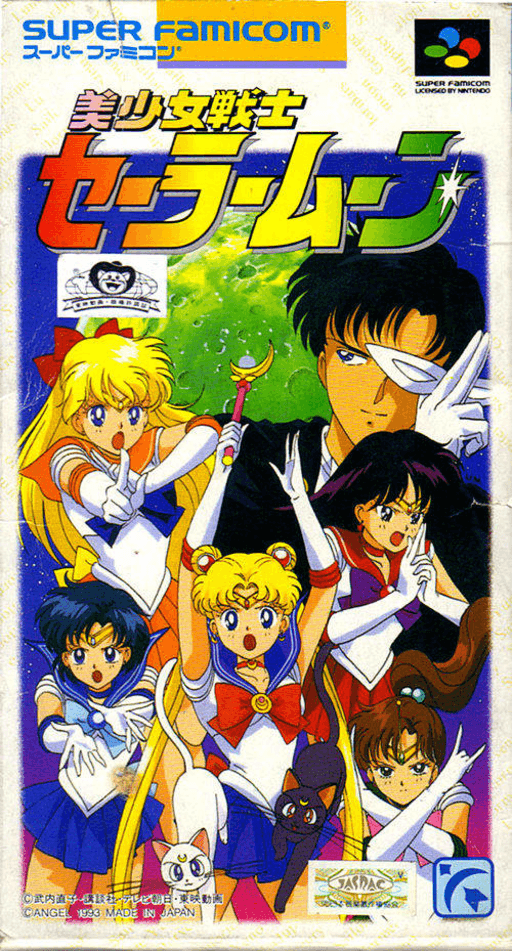
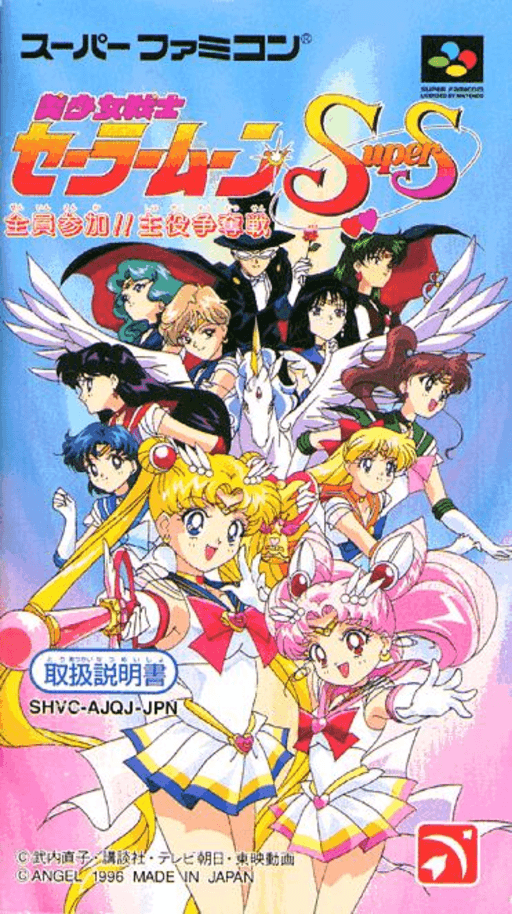
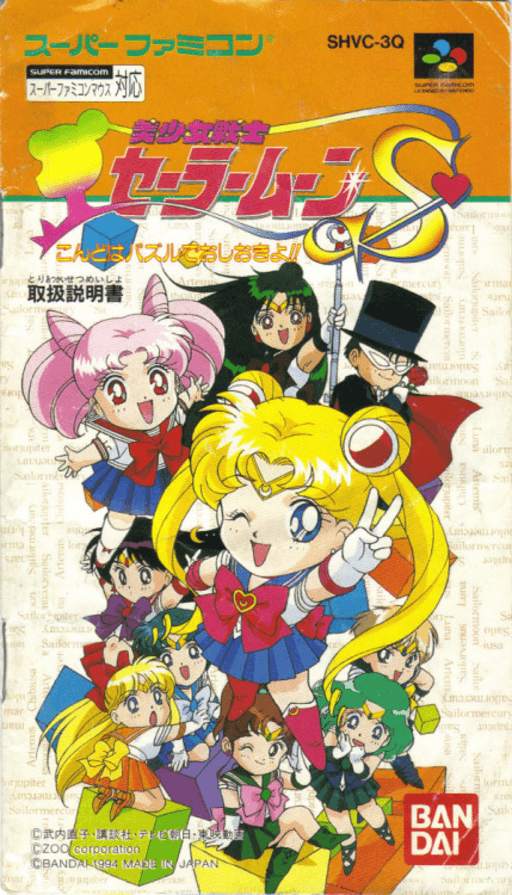
Sailor Moon games bring the Sailor Guardians’ battles, friendships and signature powers into several kinds of play. Side-scrolling action, fighting, role-playing and puzzles offer different ways to spend time with the cast. The shared appeal is seeing familiar characters take the lead, even as the controls and pace change between games.
Recommended games
Related game recommendations on this platform
PlayStation
AI review
AI reviews are subjective assessments, not player ratings. See each review for its evidence and limitations.Published date:
Appealing audio, undermined by weak fighting balance
This contest for the lead role works best as a familiar Sailor Moon showcase. The theme song, original Japanese voices and attractive opening offer more immediate pleasure than its fighting depth. Ability Points add some pre-match customization, while automatic special inputs and a practice move list welcome less experienced players. Actual exchanges are slow, however, making attacks easy to anticipate, and extremely powerful desperation moves diminish the value of sustained offense. Story mode restricts selection to six fighters before a markedly harder final opponent. Versus opens all ten characters for casual sessions with a friend. Faceless battle models and awkward deformation leave the visuals behind the audio. Fans may enjoy the soundtrack and cast, but should not expect a finely balanced competitive system.
Strengths
- Anime music and original voices
- Automatic inputs and practice move reference
- Pre-match ability allocation
Weaknesses
- Overpowering comeback attacks
- Abrupt final story difficulty spike
- Weak facial detail and awkward deformation
Who it is for: Sailor Moon fans and casual local-versus players
Play notes: Japanese story and options require comprehension; the full ten-character selection is for versus.
View scoring basis
| Dimension | Review state | Score | Weight |
|---|---|---|---|
| Dimension Practice and local versus broaden play, but story selection and a final difficulty spike constrain appeal. | Reviewed | 5.6 / 10 | Not provided |
| Dimension Ability allocation offers choices, but powerful comeback attacks and slow exchanges weaken sustained competition. | Reviewed | 4.7 / 10 | Not provided |
| Dimension Theme music and original voices carry the license well, while battle models weaken presentation. | Reviewed | 7.0 / 10 | Not provided |
| Dimension Automatic inputs and the practice move list provide useful learning support. | Reviewed | 7.6 / 10 | Not provided |
Review sources
Not provided
Core information
- Developer
- Angel
- Publisher
- Angel
- Release date
- 1996
- Platforms
- PlayStation
- Content kind
- Game
- Release state
- Released
- Region
- Worldwide
- Official website
- Not provided
- Offline minimum players
- Not provided
- Offline maximum players
- Not provided
- Online minimum players
- Not provided
- Online maximum players
- Not provided
- Categories
- Fighting · Primary genre
- Tags
- ReplayableSolo-friendlyReal-time CombatPlayer versus PlayerMain Story Under 10 HoursShort SessionsCombosAnime StyleMelee CombatFast-paced3D Graphics
- Supported game languages
- Not provided
- Requires base game
- Not provided
- Standalone
- Not provided
- Age ratings
- Not provided
- Play modes
- MultiplayerSingle player
- Perspectives
- Side view
Release editions
- PlayStationWorldwide1996
Game gallery
Sources
Not provided