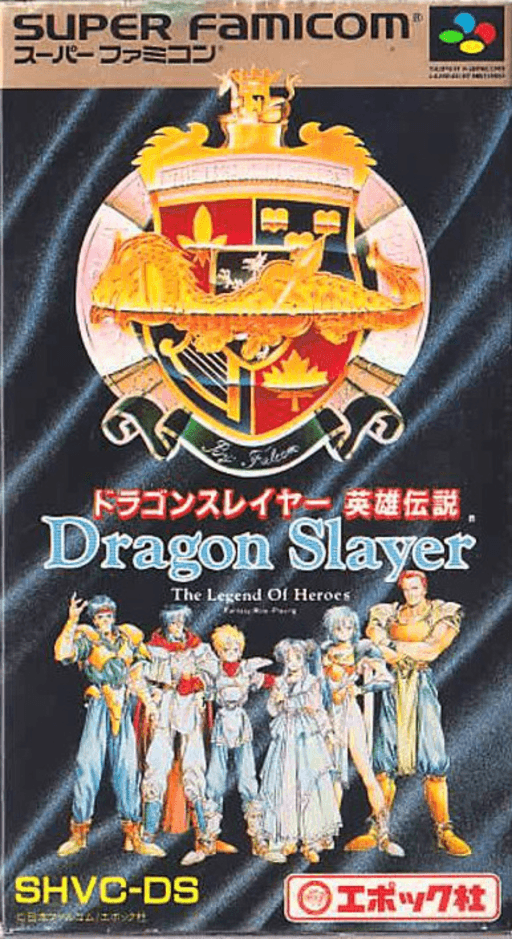
Dragon Slayer - Eiyuu Densetsu
Dragon Slayer - Eiyuu Densetsu is a Super Famicom role-playing game released in 1992 developed by Nihon Falcom. It centers on combat encounters, character or equipment growth, and turn-based tactical decisions, with controls, information, and pacing arranged around television output, a directional pad, shoulder buttons, and a six-button controller.
- AI score · out of 10
- 7.3 / 10
About this game
Dragon Slayer - Eiyuu Densetsu is a Super Famicom role-playing release centered on combat encounters, character or equipment growth, and turn-based tactical decisions. Story beats, exploration, and progression resources support a longer campaign, with progress divided into stages, tasks, matches, or growth milestones that make its immediate goals understandable. Its value depends on whether these rules continue to create judgment and room for mastery rather than on campaign length or series recognition. Short campaigns are judged by repeat-challenge value, while longer ones are judged by variety, pacing, and recovery after failure. Characters, world building, maps, and music carry most of the atmosphere, while sprite animation, scrolling, color, and chip-based audio jointly carry readability and atmosphere. The main genre-specific friction is that dense text, menu layers, repeated battles, and language dependence can slow progress. In addition, password or battery saves, multiplayer accessories, manual dependence, regional language, and cartridge enhancement chips can affect original-hardware use. This description covers only this release and excludes emulator features, modern-port conveniences, and content from other platforms.
Recommended games
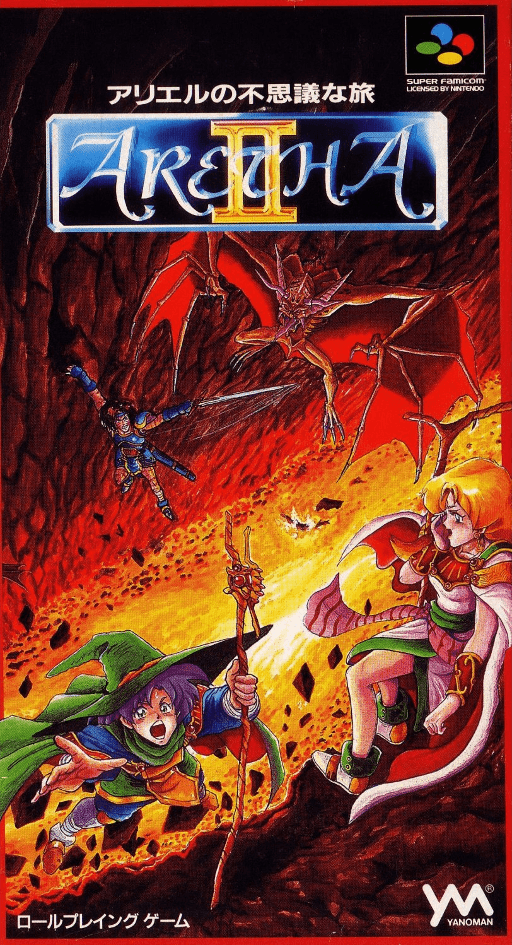
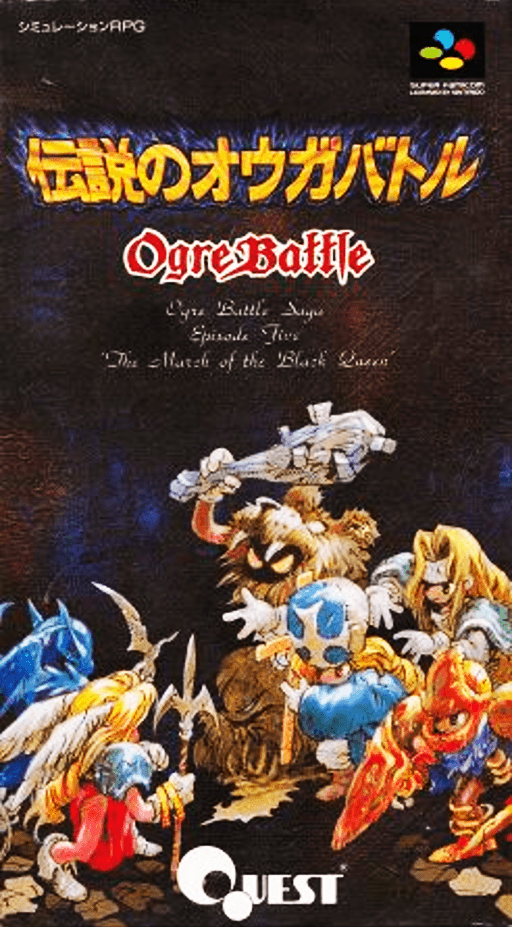
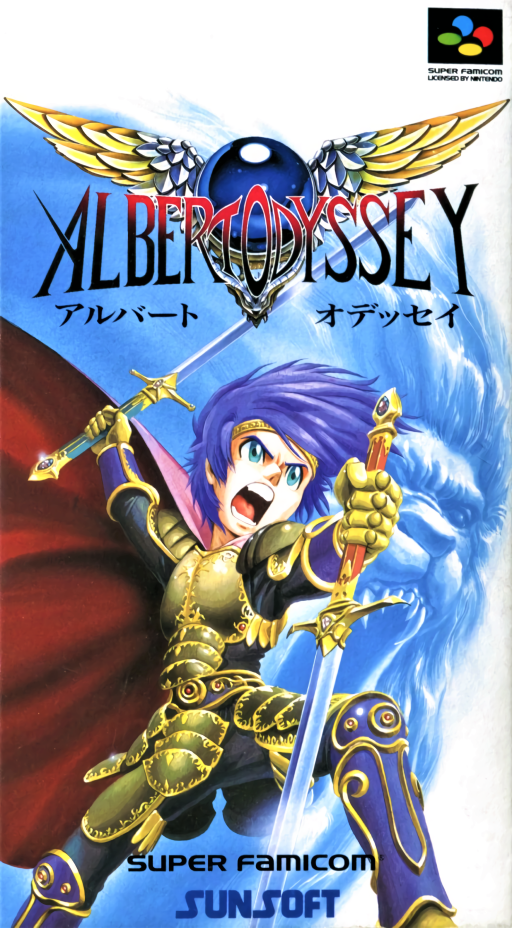
Related game recommendations on this platform
Super Famicom / SNES
AI review
AI reviews are subjective assessments, not player ratings. See each review for its evidence and limitations.Published date:
An approachable strategic adventure with a specific save-loss trap
The SFC Legend of Heroes remains an approachable traditional adventure. A six-chapter revenge story provides direction, while limited spell slots and allocated growth points keep party development more thoughtful than simply choosing attack repeatedly. Additional equipment and more accessible rare items provide goals, and battle backgrounds plus stirring field music give the journey atmosphere. Some enemy actions and a side-game encounter have been simplified, however, reducing variety and character; reused field music also fits tense scenes less precisely. Starting or loading lets players choose between gentler recovery and a more punitive mode. The crucial caution is a chapter-two scripted defeat: excessive levelling and a spell-finishing victory can freeze the game and erase saves. This suits players seeking traditional party growth and a complete story, but not carefree experimentation with every unintended outcome.
Strengths
- Spell slots and growth allocation make party development strategic.
- A complete six-chapter adventure, additional equipment and atmospheric arrangements provide substance.
Weaknesses
- Some enemies and the side game are simplified, tense scenes reuse music, and a forced chapter-two victory can freeze and erase saves.
Who it is for: For Japanese-reading RPG players who enjoy traditional stories, spell allocation and party growth.
Play notes: Japanese SFC version. Dokidoki restricts saves to towns and penalizes defeat financially. Do not force a spell-finishing victory over Akudam in chapter two.
View scoring basis
| Dimension | Review state | Score | Weight |
|---|---|---|---|
| Dimension The complete adventure and equipment goals provide substance, but some side interactions become shallower. | Reviewed | 7.2 / 10 | Not provided |
| Dimension Spell allocation and party growth offer strategy, though simplified enemy behaviour removes some encounter character. | Reviewed | 7.7 / 10 | Not provided |
| Dimension Battle backgrounds and strong arrangements support the journey, though reused field music reduces some scene-specific tension. | Reviewed | 8.0 / 10 | Not provided |
| Dimension Selectable recovery rules are useful, but forcing an unintended chapter-two victory carries a serious save-loss risk. | Reviewed | 5.5 / 10 | Not provided |
Review sources
Not provided
Core information
- Developer
- Nihon Falcom
- Publisher
- Epoch
- Release date
- 1992
- Platforms
- Super Famicom / SNES
- Content kind
- Game
- Release state
- Released
- Region
- Worldwide
- Official website
- Not provided
- Offline minimum players
- Not provided
- Offline maximum players
- Not provided
- Online minimum players
- Not provided
- Online maximum players
- Not provided
- Categories
- Role-Playing · Primary genre
- Tags
- Solo-friendlyLong-term ProgressionMain Story 20–50 HoursTurn-based Combat2D GraphicsCommand-based CombatReal-time CombatStory-drivenFantasyExplorationLevel ProgressionTop-down
- Supported game languages
- Not provided
- Requires base game
- Not provided
- Standalone
- Not provided
- Age ratings
- Not provided
- Play modes
- Not provided
- Perspectives
- Not provided
Release editions
- Super Famicom / SNESWorldwide1992
Game gallery
Sources
Not provided