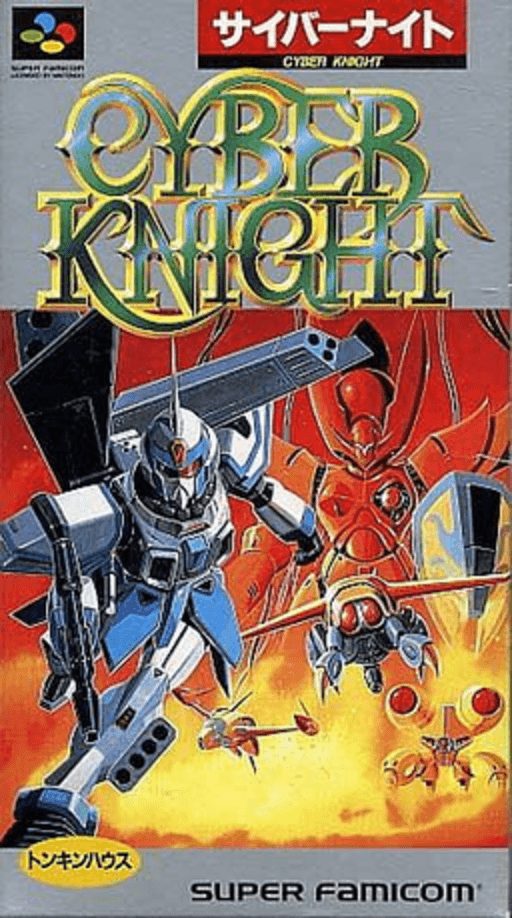
Cyber Knight
Cyber Knight is a Super Famicom role-playing game released in 1992 developed by Advance Communication Company. It centers on combat encounters, area and route exploration, and turn-based tactical decisions, with controls, information, and pacing arranged around television output, a directional pad, shoulder buttons, and a six-button controller.
- AI score · out of 10
- 6.4 / 10
About this game
Cyber Knight is a Super Famicom role-playing release centered on combat encounters, area and route exploration, and turn-based tactical decisions. Story beats, exploration, and progression resources support a longer campaign, with progress divided into stages, tasks, matches, or growth milestones that make its immediate goals understandable. Its value depends on whether these rules continue to create judgment and room for mastery rather than on campaign length or series recognition. Short campaigns are judged by repeat-challenge value, while longer ones are judged by variety, pacing, and recovery after failure. Characters, world building, maps, and music carry most of the atmosphere, while sprite animation, scrolling, color, and chip-based audio jointly carry readability and atmosphere. The main genre-specific friction is that dense text, menu layers, repeated battles, and language dependence can slow progress. In addition, password or battery saves, multiplayer accessories, manual dependence, regional language, and cartridge enhancement chips can affect original-hardware use. This description covers only this release and excludes emulator features, modern-port conveniences, and content from other platforms.
Recommended games
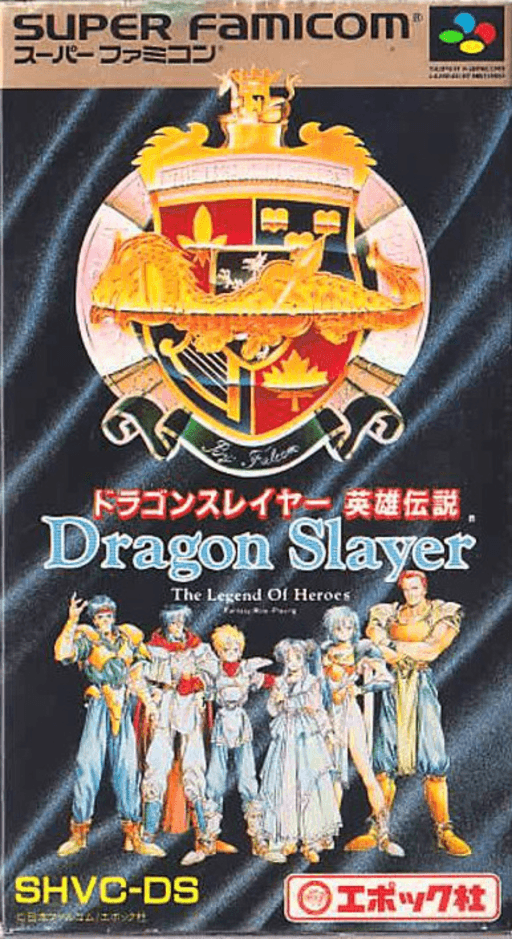
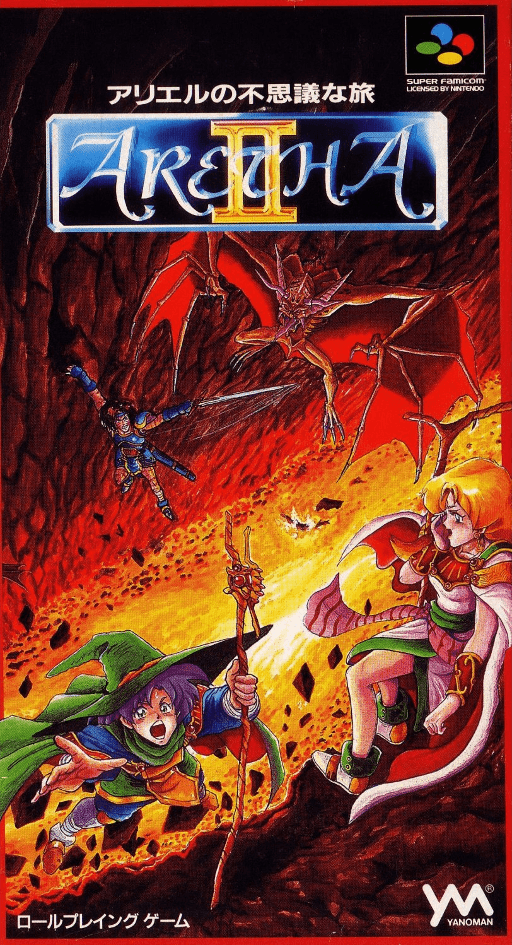
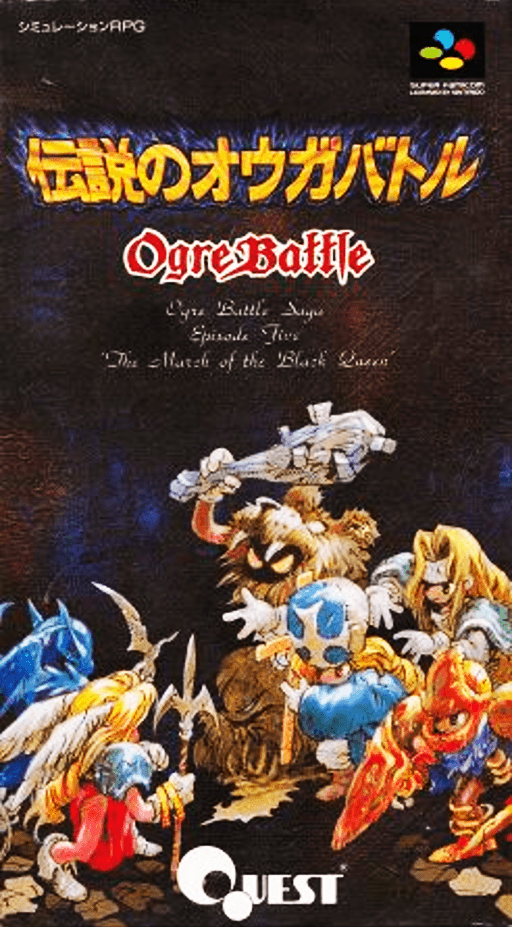
Related game recommendations on this platform
Super Famicom / SNES
AI review
AI reviews are subjective assessments, not player ratings. See each review for its evidence and limitations.Published date:
Inventive science-fiction growth, with weak exploration and indirect combat
Cyber Knight's most interesting choice is to place growth in crew skills and recovered mech parts rather than endless equipment purchases and levels. Analysing enemy parts, gaining experience through specialist roles and using free repairs gives members and modules meaningful involvement. Adult travellers seeking home, spaceship designs and several important music themes also establish a distinctive science-fiction tone. Combat is less satisfying: actions are chosen before simultaneous resolution, demanding guesses about enemy positions, while adjacent foes restrict ranged weapons. Switching equipment and selecting commands can become laborious. The galaxy suggests breadth, but few rewarding destinations and repeated door-and-staircase searches weaken discovery, and characters receive limited development. This suits Japanese-reading RPG players interested in parts and party roles who tolerate indirect tactical feedback. Original continuation uses the clone-regeneration entry, worth recognising before starting.
Strengths
- Parts analysis, specialist experience and free repairs make growth distinctive.
- The homeward science-fiction premise, ship designs and key themes create identity.
Weaknesses
- Position guessing and repeated weapon switches weaken combat feedback; sparse rewards, repetitive dungeons and limited character development reduce exploration.
Who it is for: For Japanese-reading RPG players interested in mech parts and specialist roles who tolerate indirect tactical feedback.
Play notes: Original Japanese SFC version. Continue through clone regeneration; adjacent enemies prevent ranged attacks, so plan positioning first.
View scoring basis
| Dimension | Review state | Score | Weight |
|---|---|---|---|
| Dimension Distinctive growth reduces grinding, but sparse dungeon rewards and repeated navigation weaken discovery. | Reviewed | 5.3 / 10 | Not provided |
| Dimension Modules, party roles and resistances matter, but simultaneous resolution and repeated weapon switching make tactics indirect. | Reviewed | 6.7 / 10 | Not provided |
| Dimension The science-fiction premise and designs appeal, but thin character development and tiring battle themes limit immersion. | Reviewed | 6.8 / 10 | Not provided |
| Dimension Clear button roles and continuation support use, though selecting movement, weapon and target separately creates menu work. | Reviewed | 7.2 / 10 | Not provided |
Review sources
Not provided
Core information
- Developer
- Advance Communication
- Publisher
- Tonkin House
- Release date
- 1992
- Platforms
- Super Famicom / SNES
- Content kind
- Game
- Release state
- Released
- Region
- Worldwide
- Official website
- Not provided
- Offline minimum players
- Not provided
- Offline maximum players
- Not provided
- Online minimum players
- Not provided
- Online maximum players
- Not provided
- Categories
- Role-Playing · Primary genre
- Tags
- 2D GraphicsReal-time CombatMain Story 20–50 HoursSolo-friendlyLong-term ProgressionLevel ProgressionStory-drivenTop-downExplorationFantasyTurn-based CombatCommand-based Combat
- Supported game languages
- Not provided
- Requires base game
- Not provided
- Standalone
- Not provided
- Age ratings
- Not provided
- Play modes
- Not provided
- Perspectives
- Not provided
Release editions
- Super Famicom / SNESWorldwide1992
Game gallery
Sources
Not provided