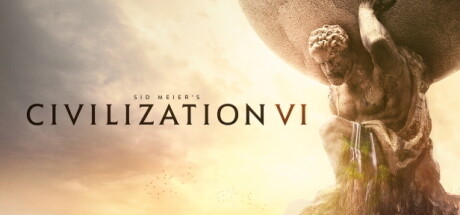
Sid Meier’s Civilization VI
Lead a civilization through city development, technology and civics, placing districts across the map while competing with historical leaders through diplomacy, war and different victory goals.
- AI score · out of 10
- 8.47 / 10
About this game
Sid Meier’s Civilization VI is a turn-based strategy game about leading a civilization through history. Exploration, city founding and cultural development unfold alongside negotiations and competition with historical leaders who pursue their own agendas. Different victory routes give that competition several possible directions. Districts, wonders and improvements occupy individual hexes, making placement part of city planning. Technology and civics form separate development trees, with exploration and environmental development helping research. City-states, alliances, negotiations and espionage offer further ways to pursue influence.
Collected in topics
Turn-based tactics picks
Think through turns, positioning and commands, weighing immediate advantages against the risks that your next decisions may create.
Collected in series
Sid Meier’s Civilization is a turn-based strategy series about guiding a society through settlement, research, diplomacy and conflict. Historical entries and a science-fiction branch turn the map into a web of decisions whose consequences unfold over many turns.

Recommended games
Related game recommendations on this platform
Windows PC



AI review
AI reviews are subjective assessments, not player ratings. See each review for its evidence and limitations.Published date:
GameNavo evidence-led AI editorial review
Sid Meier’s Civilization VI
District planning and action-driven research make development engaging, with a substantial learning and management cost.
Civilization VI makes the map part of building a civilization rather than merely the space between cities. Districts and wonders compete for tiles, while technology and civic boosts encourage exploration, construction and specific achievements. Progress becomes more active than simply following a research queue. Religion, trade, espionage and different victory paths give the base game substantial room for experimentation, and visible city growth and wonder sequences make development feel consequential. That breadth also demands time to learn and patience with late-game management. Early PC tests record buried information, inconsistent selection methods and midgame hardware load; those observations retain their original testing scope. It suits players who enjoy long-term planning and gradually learning interconnected systems. Expansion rules are not credited to the base edition, and an engaging opening should not be mistaken for equally tight pacing in every later turn.
Strengths
- District placement connects with research choices
- Several development and victory paths in the base game
Weaknesses
- Substantial learning and late-game management
- Interface and hardware-load issues in early PC tests
Who it is for: Turn-based strategy players willing to learn connected systems and plan long campaigns.
Play notes: Independent judgment from official base-game information, Hayden Dingman’s 2016 PC test and a separate 60-hour hardware-identified test, not our own playtest. Patch versions are incompletely disclosed. Dated interface and load observations do not describe every current setup. Expansions are excluded; launcher removal is acknowledged.
View scoring basis
| Dimension | Review state | Score | Weight |
|---|---|---|---|
| Dimension Religion, trade, espionage and several victory paths are present in the base game. Different goals support repeat campaigns, at the cost of a substantial learning and management commitment. | Reviewed | 8.6 / 10 | 0.25 |
| Dimension Districts and wonders occupy tiles, while actions can boost technology and civics. Development and exploration become connected decisions with tangible spatial costs. | Reviewed | 8.7 / 10 | 0.4 |
| Dimension Sprawling districts, wonder-building sequences and menu music give development a strong sense of occasion. Visible growth is satisfying, though dense information asks more of the interface. | Reviewed | 8.7 / 10 | 0.2 |
| Dimension The 2016 PC tests identify inconsistent selection methods, buried information and midgame load on specified hardware. These remain dated limitations; the subsequently removed 2K launcher is not a current requirement. | Reviewed | 7.3 / 10 | 0.15 |
Review sources
Not provided
Core information
- Developer
- Firaxis Games
- Publisher
- 2K
- Release date
- 2016
- Platforms
- Windows PC
- Content kind
- Game
- Release state
- Released
- Region
- Worldwide
- Official website
- Not provided
- Offline minimum players
- Not provided
- Offline maximum players
- Not provided
- Online minimum players
- Not provided
- Online maximum players
- Not provided
- Tags
- CozyThird PersonMain Story 20–50 HoursSolo-friendlyResource ManagementLong-term ProgressionReplayableSlow BurnLife Simulation3D Graphics
- Supported game languages
- Not provided
- Requires base game
- Not provided
- Standalone
- Not provided
- Age ratings
- Not provided
- Play modes
- Not provided
- Perspectives
- Not provided
Release editions
- Windows PCWorldwide2016
- Nintendo SwitchWorldwide2018
Game gallery
Sources
- www.nintendo.com