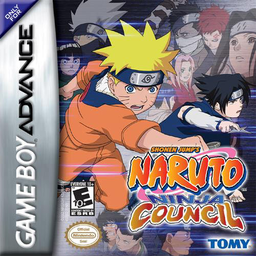
Naruto - Ninja Council
Naruto: Ninja Council, known as Naruto: Saikyou Ninja Daikesshuu in the Japanese version, is the first instalment in the Ninja Council series. There are scrolls that the playable character can obtain to perform abilities at the cost of chakra, which can be used to break down walls or create whirlwinds. The story mode very loosely follows the Prologue — Land of Waves arc to the Chuunin Exams arc.
- AI score · out of 10
- 6.3 / 10
About this game
Naruto: Ninja Council, known as Naruto: Saikyou Ninja Daikesshuu in the Japanese version, is the first instalment in the Ninja Council series. There are scrolls that the playable character can obtain to perform abilities at the cost of chakra, which can be used to break down walls or create whirlwinds. The story mode very loosely follows the Prologue — Land of Waves arc to the Chuunin Exams arc. Players will have to protect, defend or defeat as they train hard to perfect their skills in order to progress through the ranks in over 40 missions. Players can activate special attacks using the Nintendo DS stylus on the touch screen or by blowing into the microphone, and can choose from 20 of their favourite characters. The game also features four game modes, dual screen and touch pen support, a new interchangeable attack system, and wireless play with up to four players.
Collected in series
Naruto’s game adaptations bring the manga and anime’s ninja world into fighting, story adventures and team combat. Different branches put the emphasis on spectacular jutsu, recognizable rivalries or coordinating with other players across an arena.
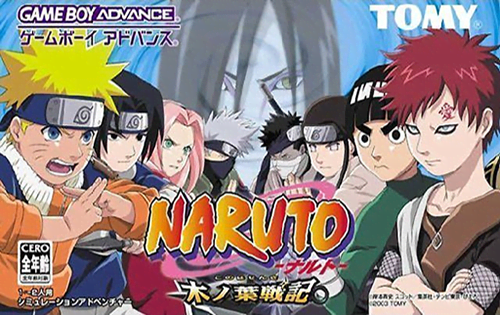

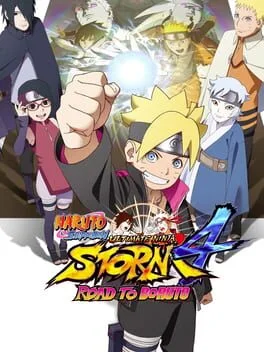
Recommended games
Related game recommendations on this platform
Game Boy Advance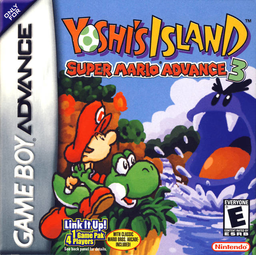
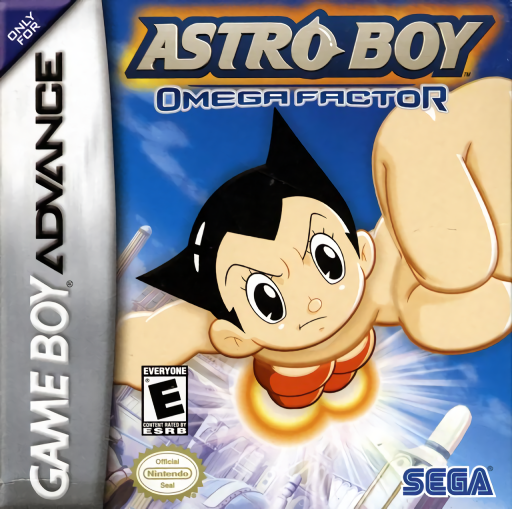
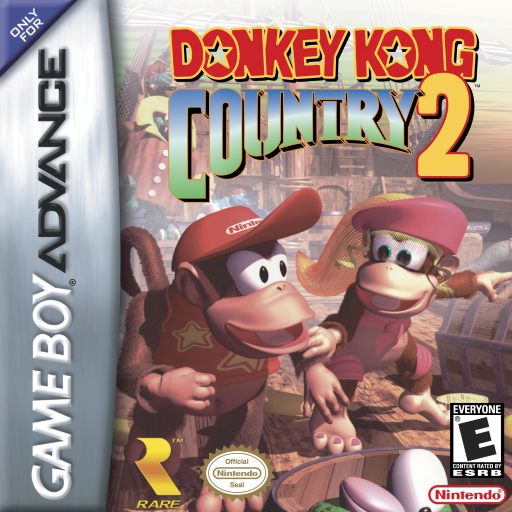
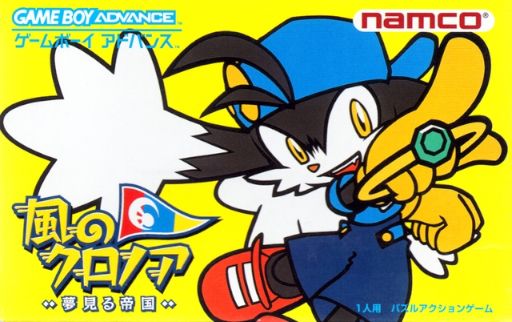

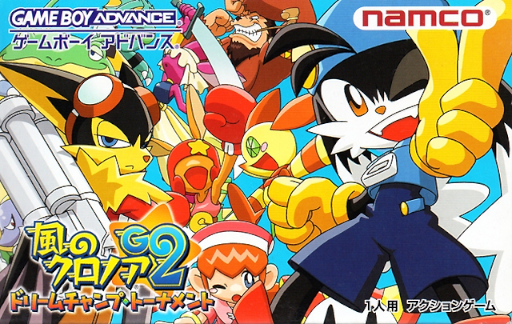
AI review
AI reviews are subjective assessments, not player ratings. See each review for its evidence and limitations.Published date:
Clear action loops with brisk handheld pacing
Naruto - Ninja Council centers on movement, attacks, and stage-by-stage encounters, and story and mission progress. Stages build pressure through enemy patterns, traversal, and clear objectives, giving the handheld release a recognizable rhythm and a clear set of player goals. The presentation emphasizes readable character animation and immediate feedback, and the best parts connect readable objectives with steady mechanical feedback. Legacy collision rules, limited guidance, and retry costs raise the entry barrier, which is the main reason the original cartridge can feel less approachable today. This GameNavo assessment uses the release description, classification, media record, and retained source evidence. It does not import user ratings, press aggregates, emulator conveniences, or features belonging to console versions and later remakes.
Strengths
- The central loop connects movement, attacks, and stage-by-stage encounters, and story and mission progress with readable goals.
- Progress has a clear structure and introduces recognizable stage or system changes.
- Presentation supports the rules with useful visual and audio feedback.
Weaknesses
- Legacy collision rules, limited guidance, and retry costs raise the entry barrier.
- The original GBA release lacks modern conveniences such as rewind, save states, and expanded tutorials.
Who it is for: Players who enjoy action games, accept period-specific handheld controls, and want to understand the original release on its own terms.
Play notes: This assessment is based on documented release evidence rather than a full playthrough; language, link hardware, and cartridge save condition may affect use.
View scoring basis
| Dimension | Review state | Score | Weight |
|---|---|---|---|
| Dimension The content-and-pacing score weighs progression, repetition, recovery after failure, and meaningful replay value. The judgment is specific to this release and does not reward a longer description or a larger media library. | Reviewed | 5.9 / 10 | Not provided |
| Dimension The core-experience score evaluates the rules, control feedback, and room for mastery in this specific GBA release. It excludes title recognition, source volume, asset count, URL-derived values, and external review averages. | Reviewed | 6.3 / 10 | Not provided |
| Dimension The presentation score considers the actual GBA visuals, sound, readability, atmosphere, and narrative expression. Hardware-aware strengths receive credit, while limitations of this release remain part of the result. | Reviewed | 6.8 / 10 | Not provided |
| Dimension The technical-usability score covers responsiveness, interface clarity, saving, language barriers, and accessory requirements. Emulator conveniences are not credited to the original release, and release-specific friction remains reflected in the score. | Reviewed | 6.0 / 10 | Not provided |
Review sources
Not provided
Core information
- Developer
- Aspect
- Publisher
- Takara Tomy
- Release date
- 2003
- Platforms
- Game Boy Advance
- Content kind
- Game
- Release state
- Released
- Region
- Worldwide
- Official website
- Not provided
- Offline minimum players
- Not provided
- Offline maximum players
- Not provided
- Online minimum players
- Not provided
- Online maximum players
- Not provided
- Categories
- Action · Primary genreStrategy & Tactics
- Tags
- ReplayableReal-time CombatSolo-friendlyMain Story Under 10 HoursLinear LevelsFast-pacedSide-scrollingAnime StyleStory-drivenPlatforming2D Graphics
- Supported game languages
- Not provided
- Requires base game
- Not provided
- Standalone
- Not provided
- Age ratings
- Not provided
- Play modes
- MultiplayerSingle player
- Perspectives
- Side view
Release editions
- Game Boy AdvanceWorldwide2003
Game gallery
Sources
Not provided