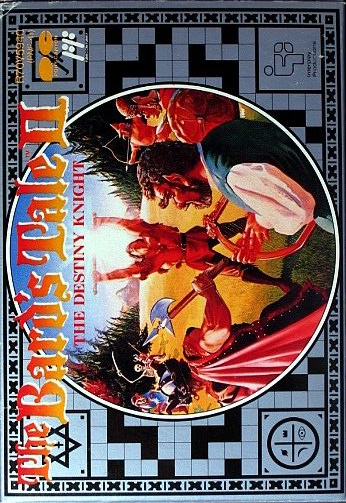
Bard's Tale 2, The - The Destiny Knight
This Famicom edition of The Bard's Tale II reached Japan on 25 January 1992, published by Pony Canyon and ported by Atelier Double at a price of 7,000 yen. Japanese listings and the No-Intro cartridge set agree that it exists as a Japanese release only: North America, Europe and Brazil are recorded as never released, and the interface and text are Japanese only, so non-Japanese readers need outside documentation for towns, class changes and magic.
- AI score · out of 10
- 7.8 / 10
About this game
The first item to correct at version level is credit. The computer original was designed and programmed by Michael Cranford, developed by Interplay Productions and published by Electronic Arts, whereas the 1992 Famicom cartridge's release records show the port handled by Atelier Double and published by Pony Canyon, so this page files the company credits under the Famicom release and keeps Interplay and EA's original-computer role in the prose instead. Region and date follow Japan as well. Japanese listings date it 25 January 1992 at 7,000 yen and spell out that North America, Europe and Brazil received no release, and the No-Intro cartridge set contains a single (Japan) entry with no matching US or European ROM, which explains why the game appears almost exclusively as a computer title in English-language material. The catalogue number R70V5940 (PNF-41) comes from this batch's release data and could not be re-checked in the consulted sources. On naming, this page standardises the title as The Bard's Tale II: The Destiny Knight, replacing the ROM-list name that doubles the definite article. Japanese packaging prints THE DISTINY KNIGHT with Destiny misspelled. The Famicom version is not a straight transfer. After the port the party becomes five created characters plus one special slot, with a front line adjustable from one to six members rather than the original's fixed seven characters and four front-line slots; race selection is gone, the Monk class is removed, seven starting classes remain, and gender selection is added as a cosmetic choice. The port also rebalances the whole game noticeably easier than the computer original, and the ROM hides sound-test and debug or picture-viewing functions. For language and ratings, this release is Japanese only with no official Chinese version; the reading in the page header is a community rendering, and one of its words turns the singular Destiny Knight into a group, so the platform title is kept as stored. A 1992 Famicom release long predates CERO, ESRB and PEGI, so no official age rating exists. The save mechanism, battery or password, lacks a reliable source and is not asserted. Japanese impressions differ from the Western ones: Japanese listings call the port easier to get into than the computer original and praise its large monster art, while also recording that it looked dated for 1992 and sold poorly. Those subjective views do not feed into this page's scores.
Collected in series
The Bard's Tale grew from party-based dungeon exploration into a broader family of fantasy RPGs. Its adventures include methodical team battles, puzzle-filled ruins and a separate comic action-RPG take on the wandering bard.
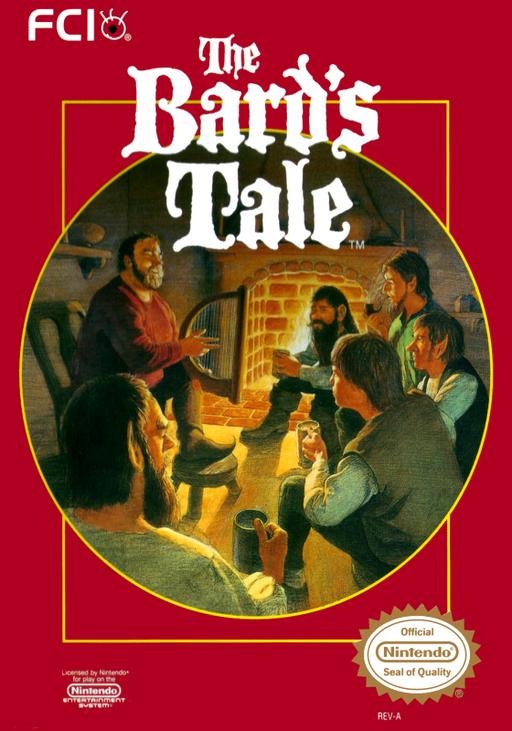
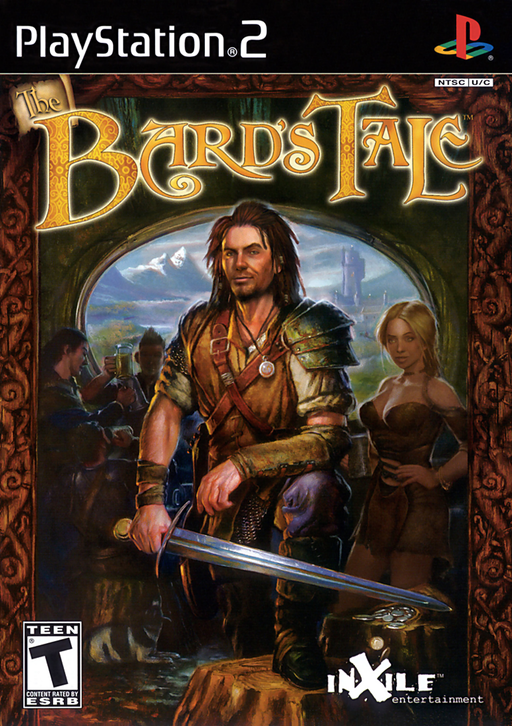
Recommended games
Related game recommendations on this platform
Famicom / NES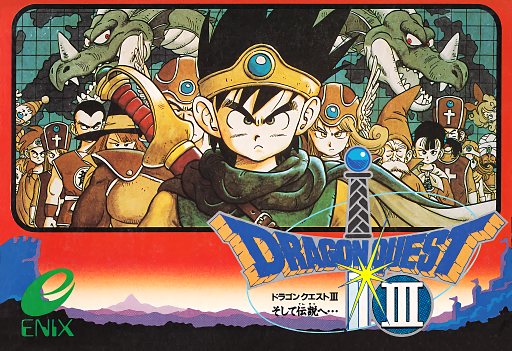
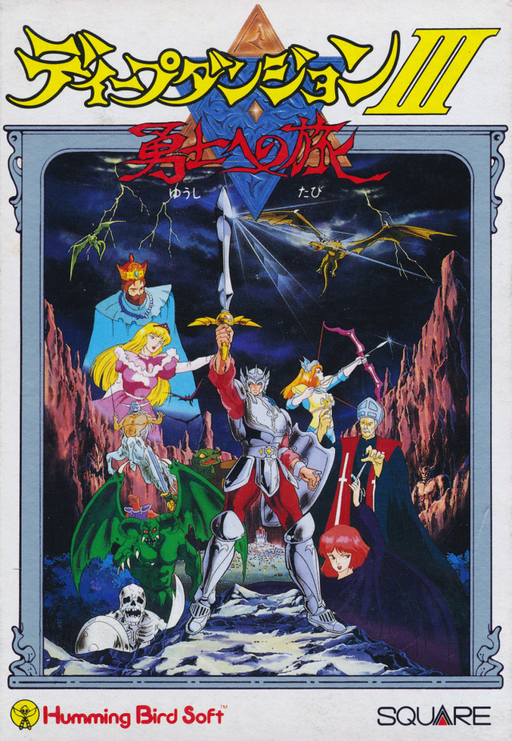
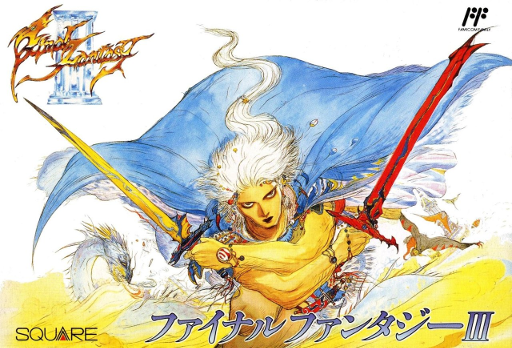
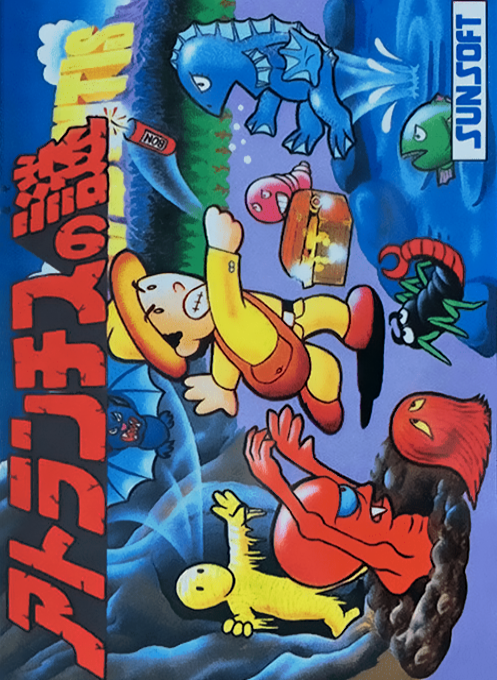
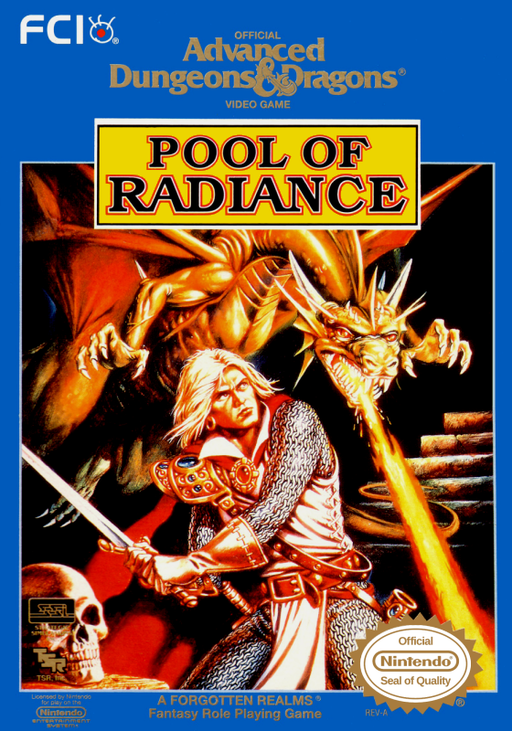
AI review
AI reviews are subjective assessments, not player ratings. See each review for its evidence and limitations.Published date:
A punishing dungeon crawl, ported with real changes
What can actually be verified is a hard-edged computer dungeon crawler carried onto the Famicom with substantive rewrites rather than a straight copy. The core experience is three systems in one loop: first-person grid exploration with hand-drawn maps, turn-based combat against up to four monster groups, and one timed real-time puzzle room, a Snare of Death, inside each dungeon. Its distinction is systemic density rather than story: the 10-to-90-foot range band decides melee against ranged, four-letter spell codes make the manual mandatory, and spell levels skipped during a class change are lost permanently, all of which the sources support. The Famicom port rebuilds the party as five created characters plus one special slot with a front line adjustable from one to six, removes races and the Monk class, and lowers the difficulty. The scores stay inside the evidence boundary: the save mechanism, whether the art was redrawn, and a single-source claim about trapped chests all lack a second reference, so the four dimensions judge only the verified portion.
Strengths
- Exploration, timed real-time puzzle rooms and turn-based command combat all feed one dungeon loop, giving the structure a distinct identity.
- The range system makes the 10-to-90-foot gap decide melee versus ranged choices, so fights are more than a numbers check.
- Class changes across five magic classes with seven spell levels each create long-term build goals, with Bard songs and summons adding options.
- The Famicom release is no straight copy: party size, front-line count and class roster were rewritten and the original difficulty was eased.
Weaknesses
- Its punishment is irreversible: overrun a snare and the whole party dies on the spot, and spell levels skipped at a class change are lost forever.
- There is no automapping, so the manual tells players to draw six cities, the wilderness and 25 dungeon levels by hand, square by square.
- It depends heavily on documentation, since spells require four-letter manual codes, and the Japanese-only interface raises the barrier further.
Who it is for: Players who enjoy first-person maze crawling, are willing to map by hand, and accept heavy punishment and timed puzzles; a poor fit for anyone wanting a light clear or English and Chinese menus.
Play notes: The game is known for its difficulty, and a failed snare kills the entire party irrecoverably, while mapping and character building demand long-term commitment. The Famicom save method, whether the art was redrawn, the trapped-chest claim and the port's developer credit are all unverified or disputed across sources, so this review covers only the verified portion; see pending for the open items. This score was recalibrated under professional-v2 without external ratings, source volume, asset count, title recognition, or URL-derived values.
View scoring basis
| Dimension | Review state | Score | Weight |
|---|---|---|---|
| Dimension The content pacing score applies the V3 boundary to the documented mechanics, pacing, presentation, and FC release constraints. | Reviewed | 8.0 / 10 | Not provided |
| Dimension The core experience score applies the V3 boundary to the documented mechanics, pacing, presentation, and FC release constraints. | Reviewed | 7.9 / 10 | Not provided |
| Dimension The presentation immersion score applies the V3 boundary to the documented mechanics, pacing, presentation, and FC release constraints. | Reviewed | 7.9 / 10 | Not provided |
| Dimension The technical usability score applies the V3 boundary to the documented mechanics, pacing, presentation, and FC release constraints. | Reviewed | 7.0 / 10 | Not provided |
Review sources
Not provided
Core information
- Developer
- Atelier Double
- Publisher
- Pony Canyon
- Release date
- 1992
- Platforms
- Famicom / NES
- Content kind
- Game
- Release state
- Released
- Region
- Worldwide
- Official website
- Not provided
- Offline minimum players
- 1
- Offline maximum players
- 1
- Online minimum players
- Not provided
- Online maximum players
- Not provided
- Categories
- Role-Playing · Primary genre
- Tags
- First PersonTurn-based CombatHigh DifficultyPuzzle SolvingCommand-based CombatFantasyExplorationClass BuildsPunishingHub WorldSolo-friendly
- Supported game languages
- Japanese
- Requires base game
- Not provided
- Standalone
- Not provided
- Age ratings
- Not provided
- Play modes
- Single player
- Perspectives
- First person
Release editions
- Famicom / NESWorldwide1992
Game gallery
Sources
Not provided