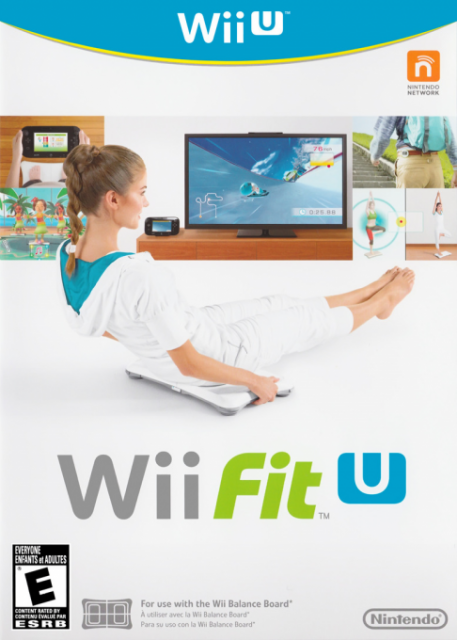
Wii Fit U
Wii Fit U is a Wii U simulation game released in 2013 developed by Ganbarion. It centers on area and route exploration, competitive sport or physical training, and state management, with controls, information, and pacing arranged around the GamePad touch screen, gyroscope, dual sticks, television display, and Pro Controller where supported.
- AI score · out of 10
- 7.6 / 10
About this game
Wii Fit U is a Wii U simulation game centered on area and route exploration, competitive sport or physical training, and state management. Schedules, changing values, or staged goals encourage repeated adjustment, with progress divided into stages, tasks, matches, or growth milestones that make its immediate goals understandable. Its value depends on whether these rules continue to create judgment and room for mastery rather than on length, sales, or series recognition. Short campaigns are judged by repeat-challenge value, while longer ones are judged by variety, pacing, and recovery after failure. Interface clarity, pose recognition, and state feedback matter more than spectacle, while HD television output and the GamePad screen need to divide maps, status, touch input, and primary focus clearly. The genre-specific limitation is that explanations, dense menus, motion recognition, real-time systems, or accessory dependencies can add friction. Platform conditions also include GamePad battery life and range, shifts between two screens, loading, performance, and retired online and Miiverse services affect the current release. This description covers only this platform release and does not import features from other editions.
Recommended games
Related game recommendations on this platform
Wii U


AI review
AI reviews are subjective assessments, not player ratings. See each review for its evidence and limitations.Published date:
Balance activities and daily tracking support light exercise routines, with practical accessory and data-management demands.
Balance activities and daily tracking support light exercise routines, with practical accessory and data-management demands. Balance Board and GamePad activities connect body movement with feedback in exercise minigames. Visible goals make light activity engaging, though game measurements do not establish professional training effectiveness. Tracking gives repeated play a practical purpose, but continued value depends on personal consistency rather than automatic campaign progression. Clear feedback makes progress easier to follow, serving the activity-focused purpose without requiring elaborate narrative or spectacle. Transfers and personal device allocation add maintenance, although clear instructions help; assessment includes retained local activities rather than discontinued online services. Households with a Balance Board who enjoy light activity through minigames.
Strengths
- Balance Board and GamePad activities connect body movement with feedback in exercise minigames.
- Mii profiles, test results and graphs present body and activity records directly.
Weaknesses
- Accessory setup and tracking maintenance reduce immediacy.
Who it is for: Households with a Balance Board who enjoy light activity through minigames.
Play notes: Assessed on retained local play; body and activity estimates are not medical diagnoses, and Fit Meter data needs regular transfer.
View scoring basis
| Dimension | Review state | Score | Weight |
|---|---|---|---|
| Dimension Tracking gives repeated play a practical purpose, but continued value depends on personal consistency rather than automatic campaign progression. | Reviewed | 8.0 / 10 | Not provided |
| Dimension Visible goals make light activity engaging, though game measurements do not establish professional training effectiveness. | Reviewed | 7.9 / 10 | Not provided |
| Dimension Clear feedback makes progress easier to follow, serving the activity-focused purpose without requiring elaborate narrative or spectacle. | Reviewed | 7.4 / 10 | Not provided |
| Dimension Transfers and personal device allocation add maintenance, although clear instructions help; assessment includes retained local activities rather than discontinued online services. | Reviewed | 6.7 / 10 | Not provided |
Review sources
Not provided
Core information
- Publisher
- Nintendo
- Release date
- 2013
- Platforms
- Wii U
- Content kind
- Game
- Release state
- Released
- Region
- Worldwide
- Official website
- Not provided
- Offline minimum players
- Not provided
- Offline maximum players
- Not provided
- Online minimum players
- Not provided
- Online maximum players
- Not provided
- Categories
- Simulation · Primary genreSports
- Tags
- Main Story 20–50 HoursExploration3D GraphicsCozySlow BurnSports-based PlaySolo-friendlyThird PersonLong-term ProgressionReplayableLife SimulationResource Management
- Supported game languages
- Not provided
- Requires base game
- Not provided
- Standalone
- Not provided
- Age ratings
- Not provided
- Play modes
- Single player
- Perspectives
- Third person
Release editions
- Wii UWorldwide2013
Game gallery
Sources
Not provided