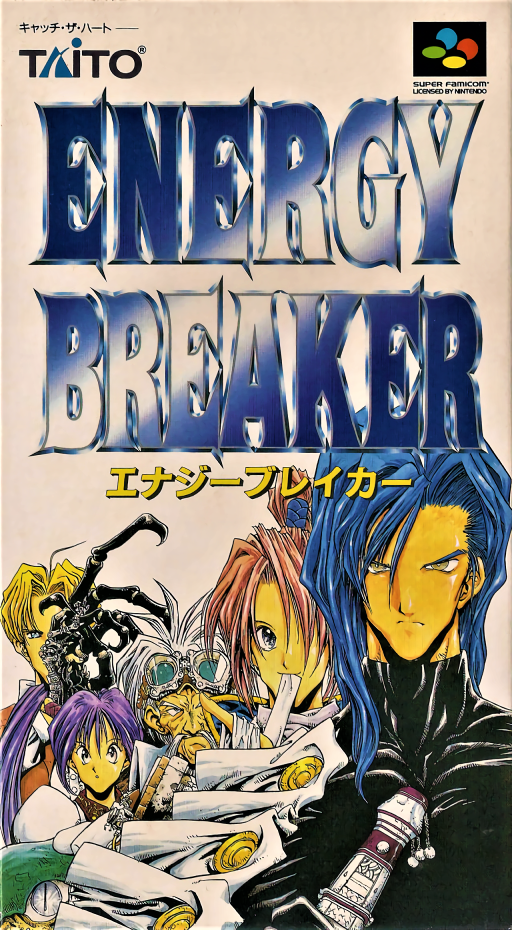
Energy Breaker
Energy Breaker is a Super Famicom role-playing game released in 1996 developed by Taito. It centers on turn-based tactical decisions, area exploration, and combat and party setup, with controls, information, and pacing arranged around television output, a directional pad, shoulder buttons, and a six-button controller.
- AI score · out of 10
- 7.7 / 10
About this game
Energy Breaker is a Super Famicom role-playing release centered on turn-based tactical decisions, area exploration, and combat and party setup. Story beats, exploration, and progression resources support a longer campaign, with progress divided into stages, tasks, matches, or growth milestones that make its immediate goals understandable. Its value depends on whether these rules continue to create judgment and room for mastery rather than on campaign length or series recognition. Short campaigns are judged by repeat-challenge value, while longer ones are judged by variety, pacing, and recovery after failure. Characters, world building, maps, and music carry most of the atmosphere, while sprite animation, scrolling, color, and chip-based audio jointly carry readability and atmosphere. The main genre-specific friction is that dense text, menu layers, repeated battles, and language dependence can slow progress. In addition, password or battery saves, multiplayer accessories, manual dependence, regional language, and cartridge enhancement chips can affect original-hardware use. This description covers only this release and excludes emulator features, modern-port conveniences, and content from other platforms.
Recommended games
Related game recommendations on this platform
Super Famicom / SNES
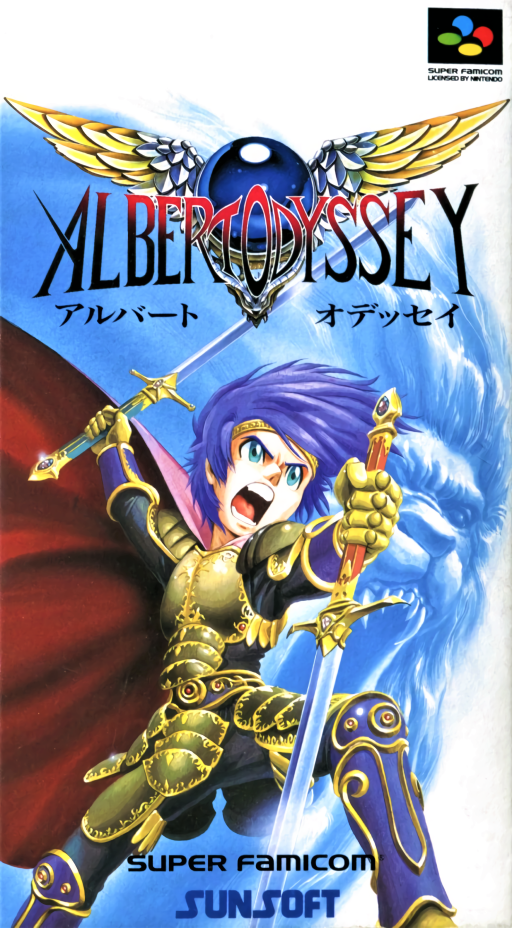
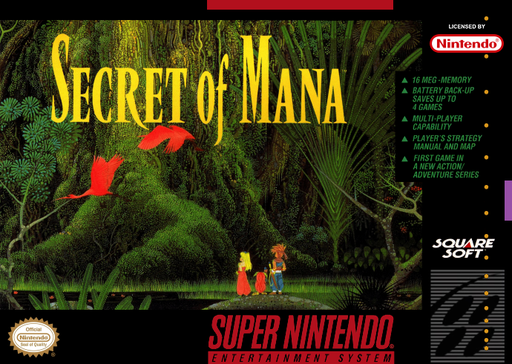
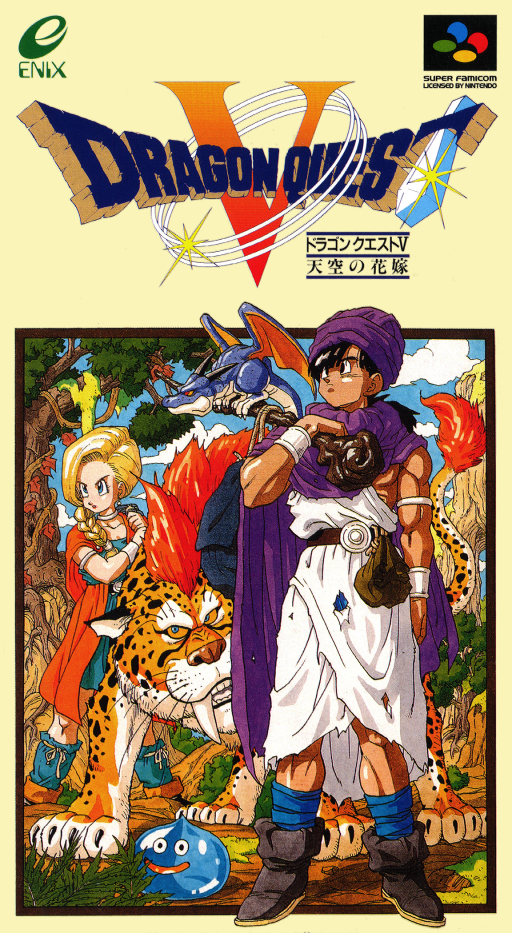
AI review
AI reviews are subjective assessments, not player ratings. See each review for its evidence and limitations.Published date:
Tactics and characterization shine through inventory and guidance friction.
Energy Breaker connects health with available actions: injury restricts movement and attacks as well as survival, making positioning, healing and party order meaningful. Different victory conditions, directly controlled temporary allies and elemental skill development reward thoughtful tactics. Expressive sprites, emotion bubbles, distinctive skill animations and appealing music give the cast a personality beyond statistics. Fixed movement costs nevertheless constrain wounded units, while repeated encounters and poorly directed past sections slow progress. Original saving and animation options support experimentation, but equipment, items and skill books compete for limited inventory space. Inability to inspect skill requirements during level advancement adds further checking. It suits players who enjoy spatial tactics and character stories, provided they accept repeated organization and learning its conventions.
Strengths
- Meaningful health, positioning and action-order tactics.
- Expressive character animation and appealing music.
Weaknesses
- Restricted inventory and skill information increase management work.
- Unclear navigation and repeated encounters interrupt pacing.
Who it is for: Tactical RPG players interested in action-order planning and character stories.
Play notes: Original Japanese SFC version; battles have turn limits, with original saves and animation settings, not emulator save states.
View scoring basis
| Dimension | Review state | Score | Weight |
|---|---|---|---|
| Dimension Varied tactical goals sustain the campaign, while grind and unclear navigation interrupt its momentum. | Reviewed | 7.0 / 10 | Not provided |
| Dimension Positioning, health and action order create meaningful tactics, although fixed movement cost limits injured units. | Reviewed | 8.2 / 10 | Not provided |
| Dimension Expressive visual details and music strengthen characterization and emotional involvement. | Reviewed | 8.1 / 10 | Not provided |
| Dimension Flexible saving and configuration support planning, while tightly shared inventory space adds recurring management work. | Reviewed | 6.7 / 10 | Not provided |
Review sources
Not provided
Core information
- Developer
- Taito
- Publisher
- Taito
- Release date
- 1996
- Platforms
- Super Famicom / SNES
- Content kind
- Game
- Release state
- Released
- Region
- Worldwide
- Official website
- Not provided
- Offline minimum players
- Not provided
- Offline maximum players
- Not provided
- Online minimum players
- Not provided
- Online maximum players
- Not provided
- Tags
- Main Story 20–50 HoursExplorationSolo-friendlyFantasyStory-drivenTop-downLevel Progression2D GraphicsTurn-based CombatCommand-based CombatLong-term Progression
- Supported game languages
- Not provided
- Requires base game
- Not provided
- Standalone
- Not provided
- Age ratings
- Not provided
- Play modes
- Not provided
- Perspectives
- Not provided
Release editions
- Super Famicom / SNESWorldwide1996
Game gallery
Sources
Not provided