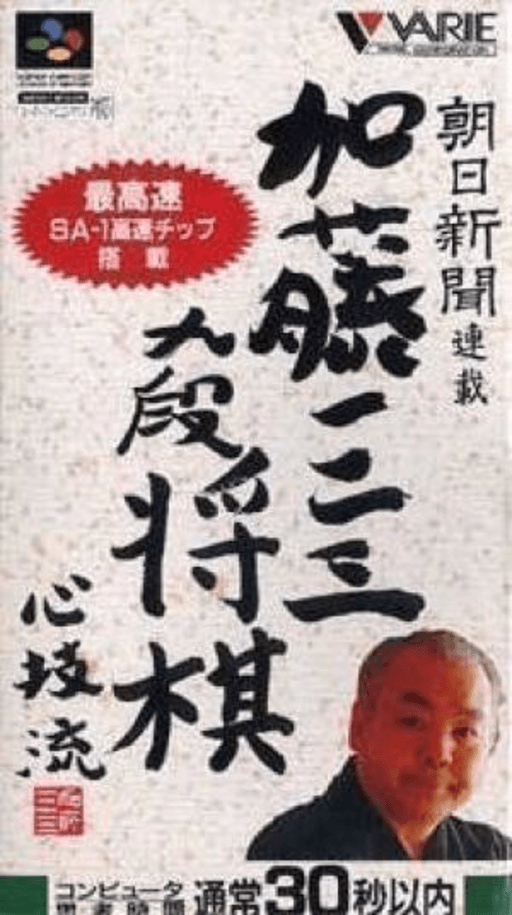
Asahi Shinbun Rensai - Katou Hifumi Kudan Shougi - Shingiryuu
Asahi Shinbun Rensai - Katou Hifumi Kudan Shougi - Shingiryuu is a Super Famicom card and board game released in 1995 developed by Varie Corporation. It centers on card or board-game rules, story, case, or mission progress, and rules interaction, with controls, information, and pacing arranged around television output, a directional pad, shoulder buttons, and a six-button controller.
- AI score · out of 10
- 6.8 / 10
About this game
Asahi Shinbun Rensai - Katou Hifumi Kudan Shougi - Shingiryuu is a Super Famicom card and board release centered on card or board-game rules, story, case, or mission progress, and rules interaction. Matches, decks, or board objectives create a repeatable strategy loop, with progress divided into stages, tasks, matches, or growth milestones that make its immediate goals understandable. Its value depends on whether these rules continue to create judgment and room for mastery rather than on campaign length or series recognition. Short campaigns are judged by repeat-challenge value, while longer ones are judged by variety, pacing, and recovery after failure. Card, board, and state readability determine usability, while sprite animation, scrolling, color, and chip-based audio jointly carry readability and atmosphere. The main genre-specific friction is that rules terminology, opponent pacing, and text density raise the entry barrier. In addition, password or battery saves, multiplayer accessories, manual dependence, regional language, and cartridge enhancement chips can affect original-hardware use. This description covers only this release and excludes emulator features, modern-port conveniences, and content from other platforms.
Recommended games
Related game recommendations on this platform
Super Famicom / SNES
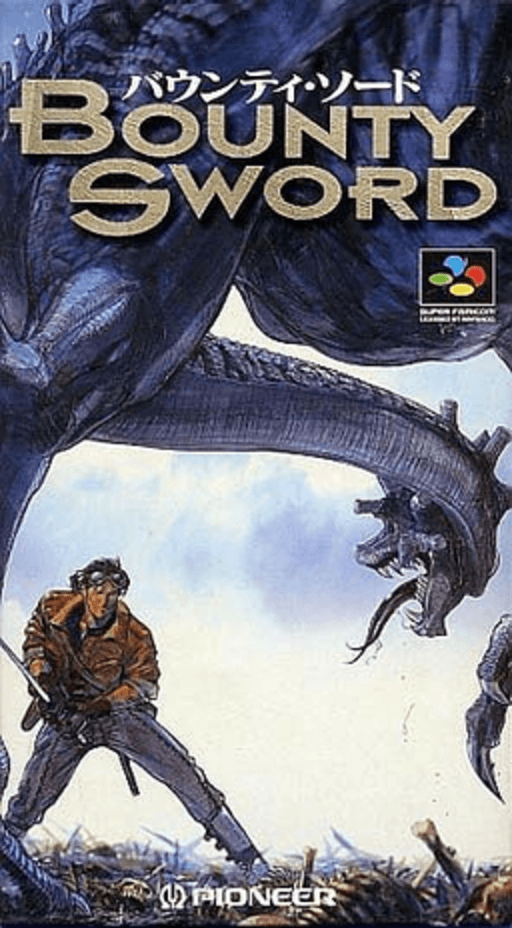
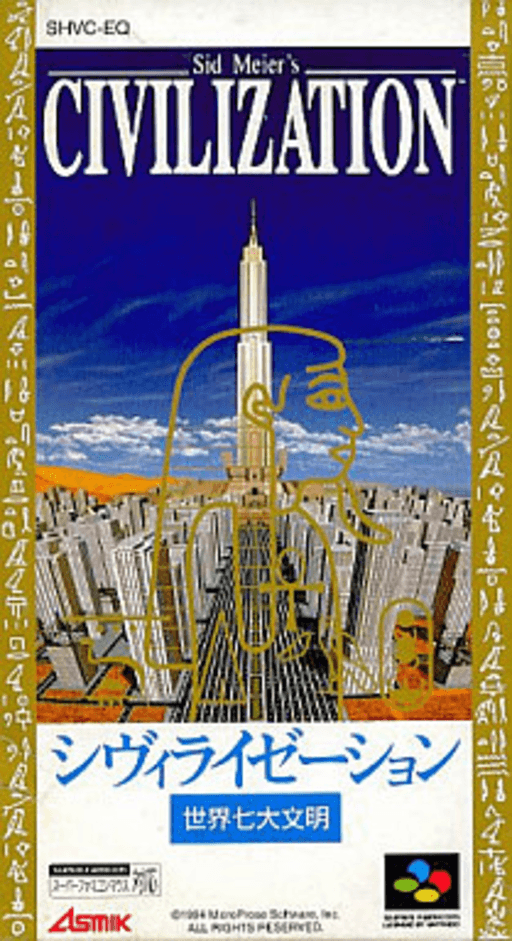

AI review
AI reviews are subjective assessments, not player ratings. See each review for its evidence and limitations.Published date:
A substantial practice collection with awkward guidance and menus.
This shogi package combines ordinary matches, an elimination tournament and a substantial collection of mating and next-move exercises. Everything is accessible immediately, so practice does not depend on unlocking opponents. The computer can exert pressure in endgames, although openings and opponent personalities are less distinctive. Calligraphy, expressive portraits and spoken moves give the room character, while inconsistent lettering compromises readability. Automatic result saving is welcome, but records hidden in Edit and unchanged disabled commands make navigation less intuitive. Exercises encourage repeated calculation without adequately explaining their answers, and some alternative correct solutions can be rejected. It is best for players who already understand shogi and enjoy analysing positions independently, rather than beginners expecting guided instruction throughout.
Strengths
- Numerous mating and next-move exercises support sustained calculation.
- Matches and exercises open immediately, with automatic result saving.
- Portrait reactions and spoken moves create a personable atmosphere.
Weaknesses
- Record access and disabled-command feedback are awkward.
- Answer explanations are sparse and some valid alternatives are rejected.
- Openings and opponent styles are not strongly differentiated.
Who it is for: Players familiar with shogi who enjoy puzzles and independent analysis.
Play notes: Original Japanese release. Problems are selected individually; 300-move games have special victory rules, and some alternative correct puzzle solutions are rejected.
View scoring basis
| Dimension | Review state | Score | Weight |
|---|---|---|---|
| Dimension Immediately accessible tournaments and exercises make a substantial practice library, but sparse explanations limit its teaching. | Reviewed | 7.7 / 10 | Not provided |
| Dimension Endgames and exercises offer real calculation, though openings and opponent styles are uneven. | Reviewed | 7.0 / 10 | Not provided |
| Dimension Calligraphy, expressions and spoken moves add character, while inconsistent lettering hurts clarity. | Reviewed | 6.8 / 10 | Not provided |
| Dimension Automatic saving helps, but buried records, unclear disabled commands and restrictive rulings add friction. | Reviewed | 4.8 / 10 | Not provided |
Review sources
Not provided
Core information
- Developer
- Varie
- Publisher
- Varie
- Release date
- 1995
- Platforms
- Super Famicom / SNES
- Content kind
- Game
- Release state
- Released
- Region
- Worldwide
- Official website
- Not provided
- Offline minimum players
- Not provided
- Offline maximum players
- Not provided
- Online minimum players
- Not provided
- Online maximum players
- Not provided
- Categories
- Card & Tabletop · Primary genre
- Tags
- Card PlayTurn-based TacticsStory-drivenBoard and Tabletop PlaySlow Burn2D Graphics
- Supported game languages
- Not provided
- Requires base game
- Not provided
- Standalone
- Not provided
- Age ratings
- Not provided
- Play modes
- Not provided
- Perspectives
- Not provided
Release editions
- Super Famicom / SNESWorldwide1995
Game gallery
Sources
Not provided