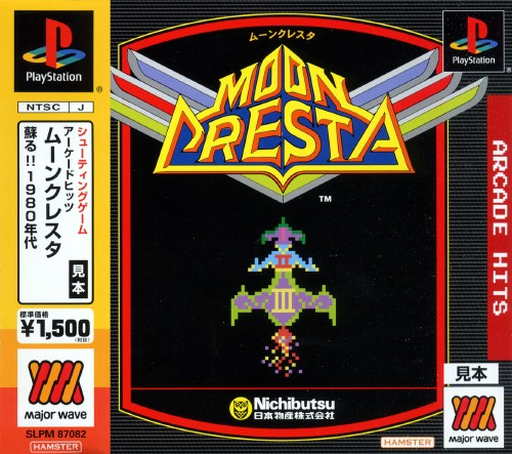
Arcade Hits - Moon Cresta
Arcade Hits - Moon Cresta is a PlayStation shooter game released in 2002 developed by Nichibutsu. It centers on aiming, shooting, and weapon use, aiming and shooting, and positioning and evasion, with controls and information arranged around the directional pad, shoulder and face buttons, plus DualShock twin analog sticks and vibration where supported.
- AI score · out of 10
- 7.6 / 10
About this game
Arcade Hits - Moon Cresta is a PlayStation shooter game centered on aiming, shooting, and weapon use, aiming and shooting, and positioning and evasion. Missions pace progress through enemy waves, routes, objectives, and weapon opportunities, with progress divided into stages, tasks, matches, or growth milestones that make immediate goals understandable. Its value depends on whether these rules continue to create judgment and room for mastery rather than on length, sales, or series recognition. Short campaigns are judged by repeat-challenge value, while longer ones are judged by variety, pacing, and recovery after failure. Aiming feedback, projectiles, hits, and danger zones need to remain readable, while early 3D graphics, pre-rendered backgrounds, CD audio, and full-motion video need to preserve targets and interface readability on a television. The genre-specific limitation is that camera turning, aiming methods, dense encounters, and peripheral support can increase control pressure. Platform conditions also include disc loading, Memory Card saves, regional video standards, digital or analog control support, vibration, and dedicated peripherals affect original-hardware use. This description covers only this platform release and does not import features or conveniences from remasters, emulators, or other console editions.
Recommended games
Related game recommendations on this platform
PlayStation
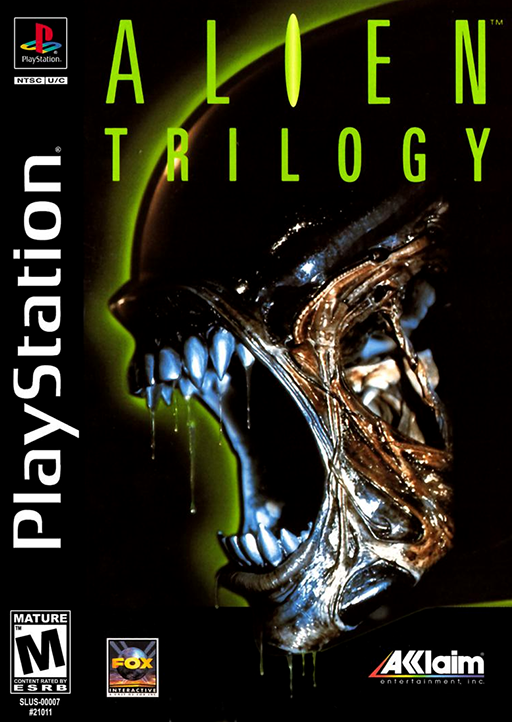
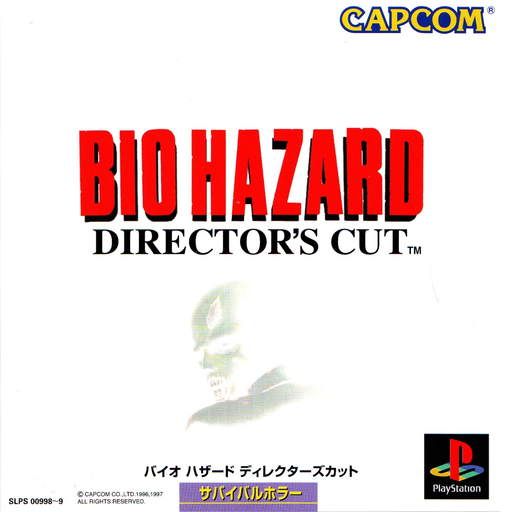
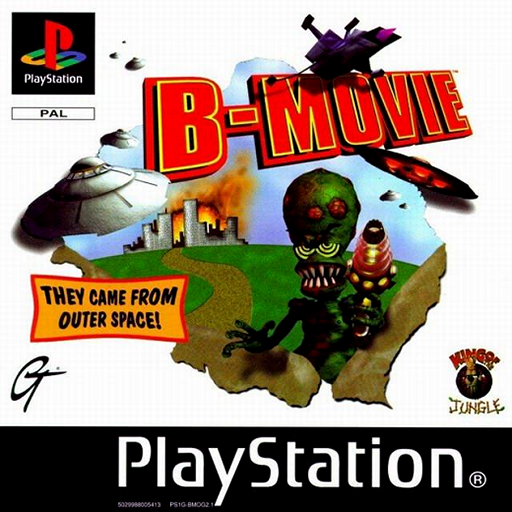
AI review
AI reviews are subjective assessments, not player ratings. See each review for its evidence and limitations.Published date:
Docking trade-offs and loop mastery remain appealing; SF-X bosses outshine its ordinary waves.
This original PS1 disc includes both Moon Cresta and SF-X. Moon's defining choice is docking: alignment earns firepower and points but enlarges your target, while a collision costs a craft. Irregular enemy approaches demand attention to positioning, especially with the weak opening ship; repeated practice gives a clear goal of reaching later loops. SF-X adds eight-direction movement and diagonal fire, with beam and homing boss attacks changing the challenge. Its ordinary waves, however, feel looser and less tense. Moon's distinctive high-pitched music and effects remain memorable, and docking visibly changes the craft. D-pad movement, single-button firing and pausing are straightforward. Built-in instruction cards and historical information help explain the package, although Japanese menus and reference text require some language preparation.
Strengths
- Docking connects firepower, scoring and target-size risk through clear execution choices.
- Loop progression rewards mastery, while SF-X movement and bosses provide contrasting challenges.
- Distinctive sounds, compact basic controls and built-in instructions help establish the rules.
Weaknesses
- Moon's weak first craft concentrates challenge near the opening before firepower develops.
- SF-X ordinary waves lack tension, loosening the pace outside boss encounters.
Who it is for: Players who enjoy fixed-screen shooting, precise docking and repeated practice toward better loops, and want to try two different movement approaches.
Play notes: This assessment covers both games on the Japanese PS1 SLPM-87082 disc. Menus and reference materials are Japanese; watch enemy approaches as docking enlarges the craft, and learn the alignment rhythm with the basic controls.
View scoring basis
| Dimension | Review state | Score | Weight |
|---|---|---|---|
| Dimension Enemy waves, docking and successive loops create short sequences worth mastering, with later loops providing a concrete practice goal. SF-X bosses add a different climax, supporting good overall content. Pressure concentrates around Moon's weak opening craft, whereas SF-X's ordinary stretches are slack, making challenge pacing uneven across the pair. | Reviewed | 7.2 / 10 | Not provided |
| Dimension Docking creates clear trade-offs between firepower, scoring and target size, while irregular approaches make shooting depend on reading movement and positioning, supporting the upper good range. SF-X expands movement and firing directions and gives bosses distinct attacks, but loose ordinary encounters do not consistently exploit those choices. | Reviewed | 7.8 / 10 | Not provided |
| Dimension Distinctive high-pitched music and effects, together with the craft's growth through docking, give Moon Cresta memorable character. SF-X's beam and homing boss attacks supply different climaxes, supporting the upper good range for presentation. Its less tense ordinary waves make the battle atmosphere less consistently engaging. | Reviewed | 7.7 / 10 | Not provided |
| Dimension A compact separation of movement, firing and pausing, plus built-in instruction cards and background information, supports the upper good range for software usability. Japanese menu and reference text creates a barrier to those supporting materials for readers unfamiliar with the language, while the basic actions remain easy to learn. | Reviewed | 7.6 / 10 | Not provided |
Review sources
Not provided
Core information
- Developer
- Nichibutsu
- Publisher
- Nichibutsu
- Release date
- 2002
- Platforms
- PlayStation
- Content kind
- Game
- Release state
- Released
- Region
- Worldwide
- Official website
- Not provided
- Offline minimum players
- Not provided
- Offline maximum players
- Not provided
- Online minimum players
- Not provided
- Online maximum players
- Not provided
- Categories
- Shooter · Primary genre
- Tags
- WarThird PersonPlayer versus EnvironmentMain Story Under 10 HoursScience FictionSolo-friendlyLinear LevelsDodgeFast-paced3D GraphicsShootingReplayable
- Supported game languages
- Not provided
- Requires base game
- Not provided
- Standalone
- Not provided
- Age ratings
- Not provided
- Play modes
- Not provided
- Perspectives
- Not provided
Release editions
- PlayStationWorldwide2002
Game gallery
Sources
Not provided