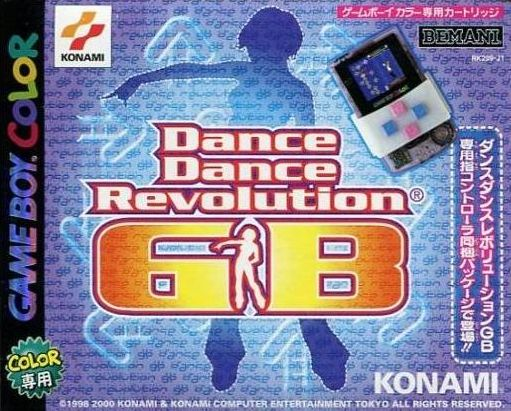
Dance Dance Revolution GB
Dance Dance Revolution GB is a Game Boy Color music and rhythm game released in 2000 developed by Konami. It centers on music, rhythm, and performance, beat recognition, and timed button input, with controls, information, and pacing arranged around a color handheld screen, a directional pad, and two main action buttons.
- AI score · out of 10
- 5.9 / 10
About this game
Dance Dance Revolution GB is a Game Boy Color music and rhythm release centered on music, rhythm, and performance, beat recognition, and timed button input. Songs and difficulty tiers support short repeated practice, with progress divided into stages, tasks, matches, or growth milestones that make its immediate goals understandable. Its value depends on whether these rules continue to create judgment and room for mastery rather than on campaign length or series recognition. Short campaigns are judged by repeat-challenge value, while longer ones are judged by variety, pacing, and recovery after failure. Music, input prompts, and synchronized performance carry the appeal, while color choices need to distinguish characters, objects, and routes rather than serve as decoration alone. The main genre-specific friction is that limited prompt space and controller feedback can constrain precision at higher levels. In addition, battery saves, link cables, cartridge-specific hardware, the unlit display, and regional language can affect the original experience. This description covers only this release and excludes emulator features, modern-port conveniences, and content from other platforms.
Collected in series
Dance Dance Revolution is Konami’s rhythm-game series built around moving your feet to music. Match scrolling arrows with directional panels, keep your timing steady through jumps and quick steps, and work toward cleaner runs on tougher charts.
Recommended games
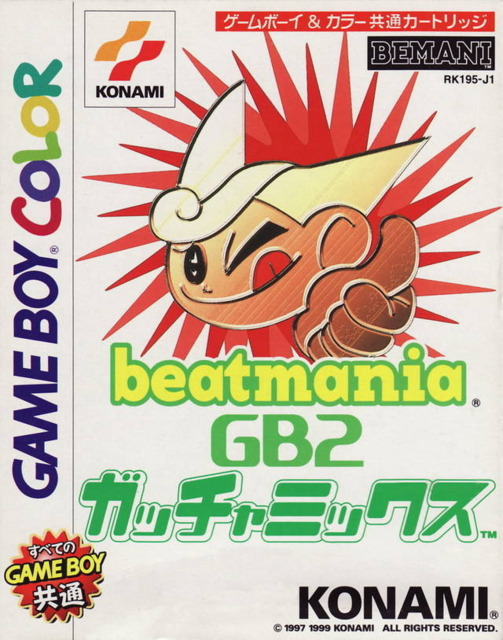
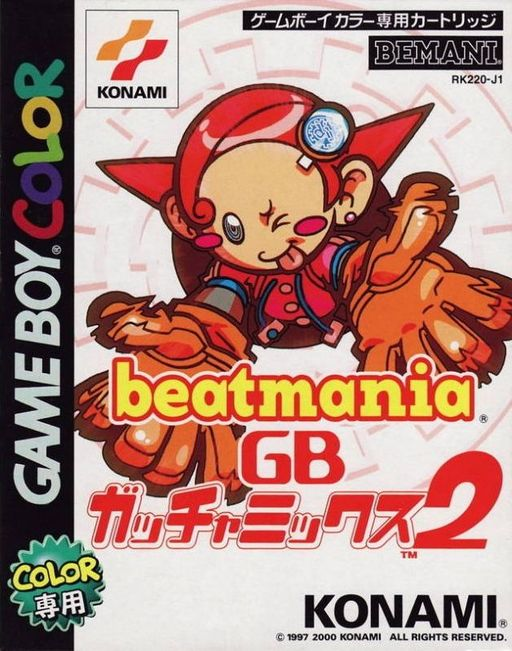
Related game recommendations on this platform
Game Boy Color (GBC)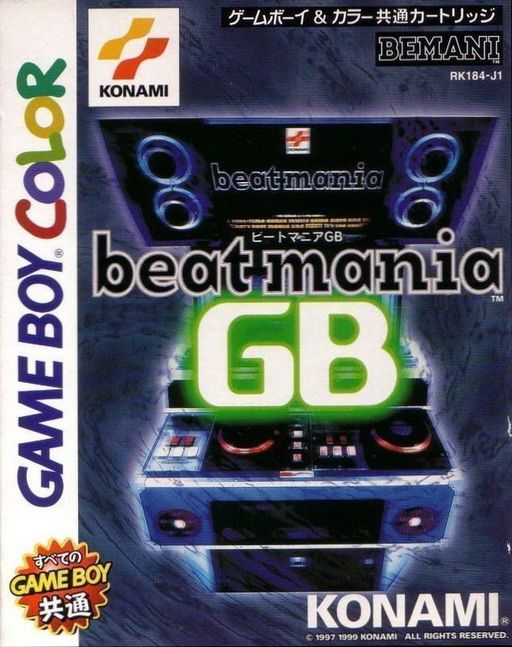
AI review
AI reviews are subjective assessments, not player ratings. See each review for its evidence and limitations.Published date:
Finger rhythm and familiar tunes suit brief practice, but arrow readability and timing reports constrain harder play.
Changing dance steps into finger rhythm still preserves the appeal of reading arrows, finding timing and improving scores. It need not reproduce a floor stage to have value. Directional buttons with A/B alternatives represent combinations, and seventeen songs across three difficulties provide repeated practice goals. Familiar melodies, dancers and banners maintain DDR identity, although shortened eight-bit arrangements vary in success. The important limits concern reading and execution: bright arrows become difficult to distinguish when crowded, while a first-game account reports judgments early relative to music and charts awkward for the finger layout. Another player finds registration good, but that does not solve dense-chart clarity. Rhythm players accepting a handheld reinterpretation may enjoy short sessions; anyone expecting the stage experience or consistently ear-led high-difficulty progress should understand these caveats first.
Strengths
- Finger rhythm, three difficulties and scoring support short practice.
- Some recognizable melodies, dancers and banners preserve DDR identity.
Weaknesses
- Dense arrows are difficult to read, with early-timing and finger-layout concerns.
- The fixed set is modest and some eight-bit arrangements disappoint.
Who it is for: DDR players accepting a finger-rhythm reinterpretation for brief practice and scoring.
Play notes: This first GBC game is not floor-pad dancing. Dense charts can be unclear and early-relative-to-music judgments are reported, particularly relevant to difficult play.
View scoring basis
| Dimension | Review state | Score | Weight |
|---|---|---|---|
| Dimension Seventeen songs and three difficulties provide practice goals within a modest fixed set. | Reviewed | 6.4 / 10 | Not provided |
| Dimension Finger rhythm retains score-chasing appeal, but dense arrows and input fit constrain precision. | Reviewed | 6.2 / 10 | Not provided |
| Dimension Familiar melodies, dancers and banners preserve identity, but some eight-bit arrangements are less convincing. | Reviewed | 6.0 / 10 | Not provided |
| Dimension Reported early judgments and awkward finger layout remain concerns even alongside positive button-response evidence. | Reviewed | 4.3 / 10 | Not provided |
Review sources
Not provided
Core information
- Developer
- Konami
- Publisher
- Konami
- Release date
- 2000
- Platforms
- Game Boy Color (GBC)
- Content kind
- Game
- Release state
- Released
- Region
- Worldwide
- Official website
- Not provided
- Offline minimum players
- Not provided
- Offline maximum players
- Not provided
- Online minimum players
- Not provided
- Online maximum players
- Not provided
- Categories
- Music & Dance · Primary genre
- Tags
- Pick-up and Play2D GraphicsMusic PerformanceSolo-friendlyFixed CameraRhythm-based PlayReplayableFast-pacedShort SessionsLow Entry Barrier
- Supported game languages
- Not provided
- Requires base game
- Not provided
- Standalone
- Not provided
- Age ratings
- Not provided
- Play modes
- Single player
- Perspectives
- Not provided
Release editions
- Game Boy Color (GBC)Worldwide2000
Game gallery
Sources
Not provided