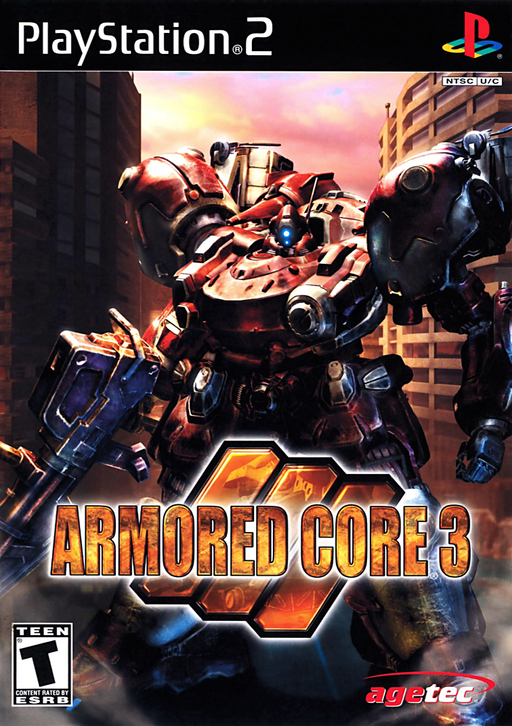
Armored Core 3
Armored Core 3 is a PlayStation 2 shooter game released in 2002 developed by FromSoftware. It centers on aiming, shooting, and weapon use, combat encounters, and aiming and shooting, with controls and information arranged around the DualShock 2 twin analog sticks, directional pad, shoulder and face buttons, with a dedicated peripheral only where explicitly required.
- AI score · out of 10
- 7.9 / 10
About this game
Armored Core 3 is a PlayStation 2 shooter game centered on aiming, shooting, and weapon use, combat encounters, and aiming and shooting. Missions pace progress through enemy waves, routes, objectives, and weapon opportunities, with progress divided into stages, tasks, matches, or growth milestones that make immediate goals understandable. Its value depends on whether these rules continue to create judgment and room for mastery rather than on length, sales, or series recognition. Short campaigns are judged by repeat-challenge value, while longer ones are judged by variety, pacing, and recovery after failure. Aiming feedback, projectiles, hits, and danger zones need to remain readable, while 3D scenes, streamed data, cinematics, surround audio, and interlaced television output need to preserve action and state readability together. The genre-specific limitation is that camera turning, aiming methods, dense encounters, and peripheral support can increase control pressure. Platform conditions also include DVD loading, the 8MB Memory Card, analog sticks and pressure-sensitive buttons, Multitap, Network Adapter, dedicated peripherals, and retired online services affect present-day use. This description covers only this platform release and does not import features or conveniences from remasters, emulators, or other console editions.
Collected in series
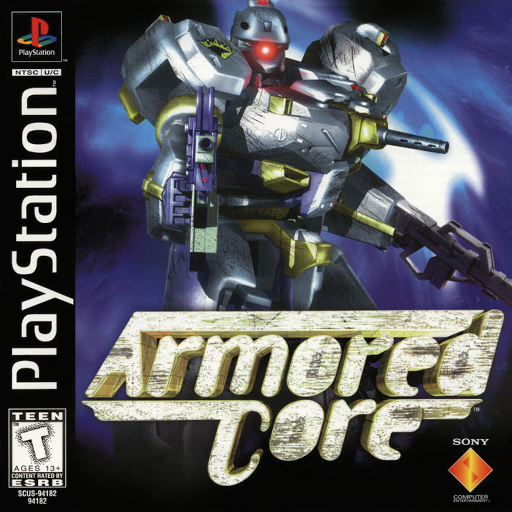
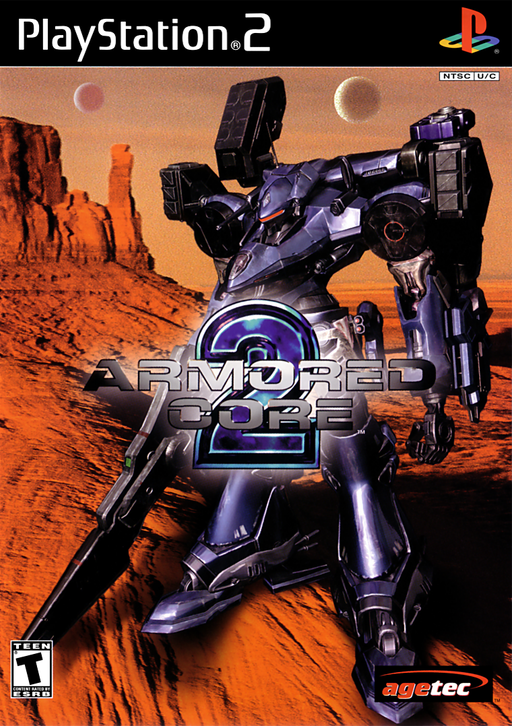
Armored Core is FromSoftware’s mech-action series about assembling a fighting machine and taking on mercenary missions. Changing weapons, legs and other parts changes how you move and fight, making a return to the garage part of solving a difficult battle.
Recommended games
Related game recommendations on this platform
PlayStation 2
AI review
AI reviews are subjective assessments, not player ratings. See each review for its evidence and limitations.Published date:
Mech engineering and sortie economics interlock brilliantly, despite a demanding PS2 interface.
The original PlayStation 2 Armored Core 3 is strongest where building a machine and piloting it feed into one another. Thirteen part categories, leg styles, left and right weapons, energy needs and weight limitations all change what a design can do. Ammunition and repair bills then come out of a completed mission's pay, so surviving is not the same as operating well. Short escort, rescue and combat contracts supply credits and new equipment; arena opponents and hidden components give players reasons to rebuild and return. A wingman can join some sorties. This upgrade rhythm has considerable staying power, even though many objectives retain the series' familiar structure and the narrative remains less memorable than the garage. Mech silhouettes, distinctive locomotion and strong mission voices give the mercenary setting personality. Dark, plain environments and subdued sound do less for the wider world. The PS2 input scheme is a more serious hurdle: basic movement and boosting can be learned first, but vertical aiming relies on shoulder buttons, and shopping and equipping occupy separate menus. A few saved configurations ease experimentation without removing that friction. Period local or linked competitive options should not be mistaken for effortless modern online matchmaking. This assessment does not borrow controls or extras from the PSP port or later Silent Line. Patient players who enjoy loadout trade-offs will find a rewarding loop behind the initial complexity.
Strengths
- Parts, weight and energy choices create genuinely different battle plans
- Ammunition and repair bills connect piloting to the garage economy
- Short contracts, arena rivals and hidden parts sustain experimentation
Weaknesses
- Shoulder-button aiming and split garage menus hinder newcomers
- Many scenarios retain a familiar series structure
- Environmental art and audio lack the mechs' personality
Who it is for: Mech-action players willing to study weapons, mobility, energy and running costs across repeat sorties.
Play notes: Original PS2 release only; do not assume PSP controls or effortless current online play from historical link options.
View scoring basis
| Dimension | Review state | Score | Weight |
|---|---|---|---|
| Dimension Short contracts, arena rivals and hidden parts keep progression lively despite familiar mission patterns. | Reviewed | 8.1 / 10 | Not provided |
| Dimension Parts, movement and operating costs make build planning and piloting meaningfully interdependent. | Reviewed | 8.6 / 10 | Not provided |
| Dimension Distinct mech silhouettes and briefings work; murky scenery and restrained sound hold back atmosphere. | Reviewed | 7.2 / 10 | Not provided |
| Dimension Basic movement is learnable, but shoulder-camera aiming, menus and period link setups remain awkward. | Reviewed | 6.5 / 10 | Not provided |
Review sources
Not provided
Core information
- Developer
- FromSoftware
- Release date
- 2002
- Platforms
- PlayStation 2
- Content kind
- Game
- Release state
- Released
- Region
- Worldwide
- Official website
- Not provided
- Offline minimum players
- Not provided
- Offline maximum players
- Not provided
- Online minimum players
- Not provided
- Online maximum players
- Not provided
- Categories
- Action · Primary genre
- Tags
- 3D GraphicsThird PersonFast-pacedShootingMain Story Under 10 HoursLinear LevelsSolo-friendlyScience FictionPlayer versus EnvironmentDodgeReplayableReal-time Combat
- Supported game languages
- Not provided
- Requires base game
- Not provided
- Standalone
- Not provided
- Age ratings
- Not provided
- Play modes
- MultiplayerSingle player
- Perspectives
- Third person
Release editions
- PlayStation 2Worldwide2002
Game gallery
Sources
Not provided